
Every conversation matter, whether you are speaking with family at home, chatting with friends over coffee, joining meetings at work, or hearing your loved ones call your name from another room. Communication shapes daily life in ways most people do not think about until hearing starts changing. This year’s D/deaf Awareness Week 2026 theme, “Right to Understand”, shined a light on something simple but important. Everyone deserves the chance to hear clearly, communicate confidently, and feel included in everyday moments.
Hearing loss does not always happen suddenly; for many people, changes happen slowly over time. You might start turning the television up slightly louder, asking people to repeat themselves more often, or struggling to follow conversations in busy places without realising your hearing has changed. Because hearing loss develops gradually, many people ignore the early signs for years. In the UK, around 12 million people are living with hearing loss, making regular hearing care more important than ever, this is 1 in 5. By 2035, it is estimated that around 14.2 million adults in the UK will have hearing loss. Yet many adults still wait until communication becomes frustrating before booking a hearing test.
So, how often should you get a hearing test? The answer depends on your age, lifestyle, overall health, and whether you are already noticing hearing changes. In this blog, we explain the recommended hearing test frequency, common warning signs to look out for, and why regular hearing checks are important for protecting your long-term hearing health.
Key Takeaways:
- Why Regular Hearing Tests Matters More Than Most People Think?
- How Often Should Adults Get a Hearing Test?
- You Might Need Hearing Tests More Often If
- Common Signs You Should Book A Hearing Test
- What Happens During a Hearing Test?
- Where Can You Book a Hearing Test Near You?
- Don’t Wait Until Hearing Loss Starts Affecting Daily Life
- FAQs
Why Regular Hearing Tests Matter More Than Most People Think
Many people think hearing tests are only needed once hearing loss becomes severe. In reality, regular hearing checks help identify small changes early, often before they begin affecting your everyday life. Hearing changes gradually over time, so your brain often adapts without you noticing immediately. You may need to rely more on lip reading, avoid noisy social settings, or feel mentally tired after conversations, without realising that hearing loss is contributing to the problems.
When you don’t treat your hearing loss, it affects more than your ears. It starts to impact communication with loved ones, confidence in social situations, concentration at work, and overall mental well-being. Many people describe feeling isolated or withdrawn when conversations become difficult to follow. A regular hearing test works in a similar way to eye tests or dental check-ups. You do not have to wait until severe pain or complete vision loss before seeking support. Hearing health deserves the same level of routine care and attention.
Early detection also leads to better long-term outcomes. When hearing changes are identified early, support such as hearing protection, hearing aids, communication strategies, or ongoing monitoring becomes far more effective. Regular hearing tests help you stay connected, confident, and in control of your hearing health before communication barriers begin affecting your quality of life.
How Often Should Adults Get a Hearing Test?
There is no single answer for everyone when it comes to hearing test frequency. Your age, lifestyle, medical history, and daily listening environments all play a part in how often your hearing should be checked. Many people wait until conversations become difficult before booking a hearing test, but regular hearing checks help spot small changes early, before they affect your confidence, communication, and everyday life. Like routine eye tests or dental appointments, hearing tests work best when they become part of your normal healthcare routine.
Hearing Test Frequency for Adults Aged 18–50
If you are between 18 and 50 years old and have no noticeable hearing concerns, most hearing specialists recommend a hearing test every 3 to 5 years. This age group often assumes hearing loss only affects older adults, but long-term exposure to loud music, headphones, busy workplaces, and everyday noise levels can still affect hearing. Because hearing changes gradually, many younger adults do not realise their hearing is starting to change until communication becomes frustrating.
If you notice signs such as struggling in noisy environments, needing people to repeat themselves, or feeling tired after conversations, it is worth booking a hearing test sooner rather than waiting several years. By the age of 40, having a hearing test also helps create a baseline of your hearing health. This gives hearing specialists something accurate to compare against in future appointments, making small changes easier to identify early.
Hearing Test Frequency for Adults Over 50
Once you reach your 50s, hearing tests become more important and are usually recommended every one to two years. Age-related hearing changes become more common during this stage of life, even among people who have never had hearing problems. Often, the changes are subtle at first, you may hear people speaking but struggle to understand certain words clearly, especially in busy restaurants, family gatherings, or group conversations.
Many people dismiss these changes as background noise or blame others for mumbling, which is why regular hearing tests matter. Small changes are easy to miss in day-to-day life, but hearing tests pick them up early, before they affect social confidence or daily communication. Regular hearing checks also help protect long-term hearing health by making early support available if needed.
Annual Hearing Tests for Over 60s and 70s
For adults in their 60s and 70s, annual hearing tests are strongly recommended. The World Health Organisation also highlights the importance of regular hearing care as we get older, as hearing loss becomes increasingly common. Good hearing plays a major role in maintaining independence, confidence, and quality of life. Staying connected to conversations with loved ones, hearing clearly during medical appointments, following television comfortably, or simply enjoying social activities all rely heavily on healthy hearing.
Unfortunately, many older adults adapt quietly to hearing loss without seeking support. Over time, this can lead to withdrawal from conversations, listening fatigue, and feelings of isolation. Annual hearing tests help monitor changes closely and ensure the right support is available early. Whether it is simple hearing advice, hearing protection, or hearing aids, early action often makes communication easier and far less stressful in the long run.

You Might Need Hearing Tests More Often If
While general hearing test guidelines work for many adults, some people benefit from yearly hearing checks regardless of age. Your lifestyle, workplace, hearing history, and overall health all influence how often your hearing should be monitored. In some cases, regular hearing tests are not only helpful; they are essential for protecting long-term hearing health and catching changes early before they affect daily communication.
You Work in Noisy Environments
If your job regularly exposes you to loud noise, annual hearing tests are strongly recommended. People working in construction, factories, warehouses, transport, manufacturing, farming, or the music industry often experience long-term noise exposure without realising the gradual effect it has on hearing. Even with hearing protection, repeated exposure to machinery, engines, tools, or amplified sound over many years increases the risk of noise-induced hearing loss.
One of the biggest concerns about workplace-related hearing loss is its slow progression. Many people adapt to the changes without noticing until conversations become difficult or ringing in the ears becomes more frequent. Regular hearing tests help monitor your hearing over time and identify early signs of damage before hearing loss progresses further. Early detection also makes it easier to take protective steps both at work and in everyday life.
You Already Wear Hearing Aids
If you already wear hearing aids, regular hearing tests remain an important part of your ongoing hearing care. Your hearing levels can continue to change over time, so your hearing aids may need adjustments to better match your current hearing needs. Even small changes in hearing can affect how clearly speech sounds, especially in noisy environments or group conversations.
Annual hearing reviews help ensure your hearing aids are performing properly, fitted comfortably, and programmed accurately for the best possible hearing experience. During these appointments, hearing specialists can also check your ear health, discuss any concerns, and fine-tune your devices based on changes in your lifestyle or hearing. Many hearing aid users are surprised by how much a small adjustment can improve daily comfort and communication.
You Have Certain Health Conditions
Some health conditions are also linked to a higher risk of hearing loss, so more frequent hearing checks are often recommended. Conditions such as diabetes and cardiovascular disease can affect blood flow and nerve health, including the delicate structures inside the ear. Recurrent ear infections, sudden hearing changes, or a family history of hearing loss may also increase the likelihood of developing hearing problems earlier in life.
In many cases, hearing changes associated with medical conditions occur gradually and may not have obvious symptoms at first. Regular hearing tests help monitor these changes closely and allow support to begin earlier if needed. Looking after your overall health also means looking after your hearing, especially when existing medical conditions already place extra strain on the body over time.

Common Signs You Should Book a Hearing Test
Hearing loss does not always appear in obvious ways. For many people, the signs start small and slowly become part of everyday life. You may not notice changes straight away because your brain naturally tries to adapt, filling in gaps during conversations or helping you rely more on visual cues without realising it. One of the biggest reasons hearing loss often goes untreated is that people wait for the problem to become “bad enough” before seeking help. In reality, small hearing changes are usually easier to manage when identified early. If any of the following signs sound familiar, it may be time to book a hearing test.
Social and Communication Signs
One of the earliest signs of hearing loss is difficulty following conversations, especially in busy or noisy environments. You might find yourself asking people to repeat themselves more often, particularly during family gatherings, restaurants, work meetings, or social events. Many people also notice they can hear someone speaking but struggle to understand certain words clearly.
Background noise often becomes harder to filter as hearing changes develop. Conversations in cafés, pubs, shopping centres, or crowded spaces may start feeling exhausting or frustrating because your ears and brain are working harder to separate speech from surrounding noise. Another common sign is increasing the television or radio volume higher than people around you prefer. Family members are often the first to notice hearing changes before the person experiencing them does.
Some people also begin feeling as though everyone around them is mumbling. In many cases, speech itself has not changed. Instead, certain sound frequencies become harder to hear clearly, making words seem less sharp or more difficult to follow.
Physical Signs
Hearing changes are not always limited to conversations. Physical symptoms can also signal that your hearing health needs attention. Tinnitus, often described as ringing, buzzing, humming, or whistling sounds in the ears, is one of the most common signs linked to hearing changes. While tinnitus does not always indicate hearing loss, it should never be ignored if it becomes persistent or noticeable.
Listening fatigue is another sign many people overlook. If you feel mentally drained after conversations, meetings, or social situations, your brain may be working harder than usual to process sound and fill in missing speech. Crowded environments can also become increasingly difficult to manage. Some people begin avoiding social settings altogether because keeping up with conversations feels tiring or stressful.
A hearing specialist should also check ear pressure, blocked sensations, discomfort, or sudden hearing changes. Sometimes these symptoms relate to earwax buildup or temporary issues, but they can also point to underlying hearing concerns that require professional attention. If you recognise any of these signs, booking a hearing test early gives you the best chance of protecting your hearing and staying confident in everyday communication.
What Happens During a Hearing Test?
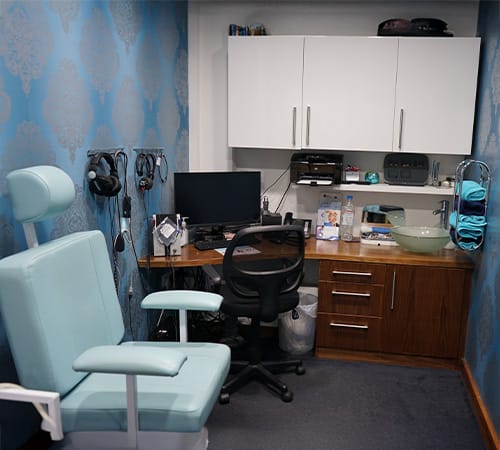
One of the biggest reasons people delay booking a hearing test is uncertainty about what will happen during the appointment. Many assume the process will feel uncomfortable, complicated, or intimidating, when in reality, a hearing test is usually simple, painless, and straightforward. At Hear4U, hearing appointments are designed to feel relaxed, informative, and supportive from the moment you walk through the door.
Your appointment usually begins with a friendly consultation where your audiologist discusses any concerns you may have noticed in daily life. This might include difficulty hearing in conversations, difficulty hearing in noisy places, tinnitus, or gradual hearing changes over time. You will also could discuss your medical history, lifestyle, and listening environments. The next step is an ear examination, and your audiologist will gently check your ears with professional equipment to look for issues such as earwax buildup, irritation, infection, or anything else affecting your hearing.
You will then complete a series of sound tests through headphones in a quiet environment. These tests help measure how well you hear different tones, pitches, and volumes. Speech understanding checks may also be carried out to see how clearly you hear and understand words during conversation. Once the assessment is complete, your audiologist will explain the results clearly and answer any questions you may have. If hearing changes are identified, they will guide you through suitable next steps and available support options without pressure. For many people, the biggest surprise is how quick and comfortable the appointment feels. A hearing test is simply an important check for your long-term hearing health, much like visiting the optician or dentist.
Where Can You Book a Hearing Test Near You?
If you have started noticing changes in your hearing, booking a professional hearing test early is one of the best steps you can take for your hearing health. Hear4U provides professional hearing care across multiple clinic locations, offering comprehensive hearing tests, hearing aid support, earwax removal services, and ongoing aftercare tailored to your individual needs. Whether you are concerned about hearing loss, tinnitus, blocked ears, or simply want reassurance about your hearing health, experienced audiologists are available to guide you through the process with clear advice and supportive care. Many people delay seeking help because they believe their hearing is “not bad enough yet”. Unfortunately, waiting often allows hearing difficulties to affect communication, confidence, and daily life far more than necessary. Booking a hearing test early helps you stay ahead of small changes before they become larger communication barriers.
Don’t Wait Until Hearing Loss Starts Affecting Daily Life
Hearing health plays a bigger role in everyday life than many people realise. From conversations with loved ones to confidence at work and enjoyment during social situations, good hearing helps people stay connected to the moments that matter most. Regular hearing tests are not only about identifying hearing loss. They help protect communication, support confidence, and make daily life easier to navigate as hearing changes naturally over time.
It is time to take a moment to prioritise your hearing health. Early action often leads to better outcomes, better communication, and better long-term hearing support. Book your hearing test with Hear4U today and take the first step towards better hearing and clearer communication.
FAQs
Q. How often should you get a hearing test?
Most adults should have a hearing test every three to five years. After age 50, hearing tests are usually recommended every 1 to 2 years, while adults over 60 are encouraged to have annual hearing checks. People exposed to loud noise or living with certain medical conditions may need more regular testing.
Q. What are the signs that I need a hearing test?
Common signs include asking people to repeat themselves, struggling to hear in background noise, turning the television volume up, tinnitus, listening fatigue, or feeling like people are mumbling during conversations.
Q. Are hearing tests painful?
No, hearing tests are painless and straightforward. A typical appointment includes an ear examination, sound testing, and speech understanding checks carried out in a comfortable environment by a qualified audiologist.
Q. Can I book a hearing test near me with Hear4U?
Yes. Hear4U offers professional hearing tests, hearing aid support, earwax removal, and ongoing aftercare across multiple clinic locations. Booking early helps identify hearing changes before they begin affecting daily communication and confidence.