
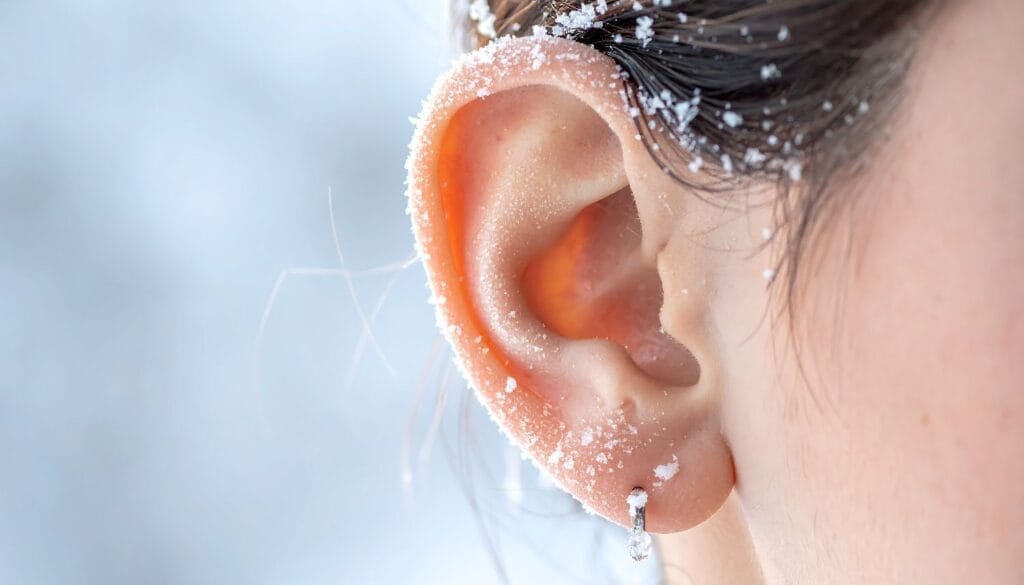
As many of us find something undeniably comforting about winter in the UK, from the crisp morning and cosy scarves to warm cups of tea, those quieter moments make the season feel slower and softer. But as winter brings a sense of calmness, it also brings a surprising challenge that we do not expect, for instance, changes in how we hear.
We have seen that for a lot of people, these colder months come with a new set of ear-related worries. When stepping out in cold, you or your loved ones would have complained of discomfort, blocked ears, a sudden dip in hearing, ringing sounds that seem sharper in cold; these are more common than we realise. In fact, winter hearing problems affect thousands of people every year, yet many simply put it down to “the weather being odd” or “a stubborn cold”.
But the truth is, winter really does affect your ears differently, and our hearing is sensitive to temperature changes, to the dry air from indoor heating, and to the increased risk of colds and sinus issues, which often show up as ear pressure or temporary hearing loss. While for those already wearing hearing aids, winter can bring a few extra challenges of its own.
We at Hear4U are aware of how frightening it can be when your hearing abruptly changes, particularly during a time when remaining connected is crucial. Therefore, the first step to safeguarding your hearing and preventing avoidable issues is to understand what’s going on within your ears throughout the winter.
In this blog, you will learn exactly why cold weather affects ear health, what common winter hearing problems to watch out for, and the practical steps you can take to keep your ear healthy throughout the season. Whether you have noticed subtle changes or are simply curious about staying proactive, this guide will help you understand your ears in a whole new way.
Why Cold Weather Affects Your Ears More Than You Think
When the temperature drops in the winter, most of us reach for gloves, scarves, and thicker jackets, but we almost ever consider protecting our ears in the same way. However, the ears are remarkably sensitive to cold, and even a slight drop in temperature can cause alterations that result in hearing issues during the winter.
Our ears lack layers of muscle or fat to keep them warm, unlike any other part of the body. The cold makes it difficult for them to function effectively because they are vulnerable, exposed, and strongly dependent on healthy blood flow. The body naturally reroutes heat to essential organs when cold air strikes, which reduces circulation in the ears. They may feel blocked, numb, or abnormally sensitive as a result.
The eardrum reacts to temperature changes:
Our eardrums respond swiftly to changes in the ambient temperature because they are extremely thin and nearly paper-like. It may somewhat harden in cold conditions, which alters how sound passes through the ear. Some people experience muted hearing or a persistent feeling of pressure.
Cold air can irritate the ear canal:
The dry winter air and chilly winds around us can make the ear canal more prone to irritation, often leading to itchiness, flaking skin, and a blocked sensation that people frequently mistake for earwax. In reality, it is your ear trying to protect itself from the cold.
The Eustachian tube doesn’t enjoy winter either:
The Eustachian tube is the tiny passage connecting your middle ear to your throat, and it plays a big role in regulating pressure. During winter, colds and sinus congestion make this little tube work overtime, and when it becomes inflamed or blocked, you may experience popping, crackling, or difficulty hearing clearly.
Cold-triggered swelling can affect sound clarity:
Did you know? The blood vessels constrict in cold temperatures, which can affect the nerves that transmit sound. This is one of the lesser-known contributors to temporary hearing changes during winter.
All these factors contribute to building the perfect storm for winter hearing problems. For some people, it is a minor annoyance, but for others, especially those already managing hearing loss, these seasonal changes can significantly affect their day-to-day communication. But there is some good news. Once you understand why your ears behave differently in winter, it becomes much easier to protect them and prevent small issues from becoming bigger ones.

Common Winter Hearing Problems
Many people experience small changes in their hearing as the temperature drops, such as muted noises, heavier ears than usual, or more noticeable obstinate ringing on quiet winter evenings. The seasonal shift frequently has a direct impact on these problems, which are far more prevalent than individuals realise. The most common winter hearing issues that our clients experience are listed here, along with the causes.
Blocked Ears and Pressure Changes
The cold air and sudden temperature shifts can irritate the Eustachian tube, the tiny passage that is responsible for equalising pressure in your ears. When this tube becomes swollen or congested, especially after a cold, flu or sinus infection, you may feel: a dull, blocked sensation, popping or cracking noises or difficulty in hearing clearly.
This often comes and goes throughout the winter season, especially when you keep moving between warm indoor spaces and chilly outdoor air, which leads to temperature fluctuations.
Ear Infections (Middle and Outer Ear)
We know winter is the peak season for flu and respiratory infections, but did you know that it can easily travel to the ears? Yes, the fluid from the ear can build up in the middle ear, which causes pain, pressure, and temporary hearing loss. The symptoms include the following: earache, feeling of fullness, muffled hearing, and low-grade fever. The children are especially vulnerable, but adults also experience post-viral ear infections during winter.
Tinnitus Flare-Ups
Audiologists are well aware that tinnitus can worsen in the winter months due to a number of circumstances. Increased stress and exhaustion, decreased ear circulation, seasonal sinus congestion, and calm surroundings that worsen tinnitus are some of the symptoms. A lot of people say that in the cold, their tinnitus gets louder or sharper.
Temporary Conductive Hearing Loss
When the ear canal becomes blocked with fluid, inflammation, or even dry skin, sound struggles to pass through as effectively. This type of winter hearing problem often resolves once congestion improves, but ignoring symptoms can prolong recovery.
“Surfer’s Ear” (Exostosis)
You don’t have to be a surfer to get this illness, despite the name. This happens when the ear canal is repeatedly exposed to cold water or wind, which might cause further bone formation. Winter may worsen symptoms like frequent ear infections, water trapping, and hearing issues; however, they are more common in outdoor swimmers and those who work in cold areas. It is one of the less well-known ways that winter can impact ear health over time.
Dry, Itchy, and Irritated Ears
Winter air is notoriously dry, especially with indoor heating running all day. As a result, the skin inside the ear canal can become flaky, itchy, and red or irritated. This irritation can mimic the sensation of earwax build-up, leading people to overclean, which can worsen the problem.
Hearing Aid Challenges in Winter
For many hearing aid users, winter presents a unique set of challenges, like the following:
- Condensation and Moisture Build-Up – Moving between warm rooms and cold outdoor conditions can cause condensation that can affect microphones, receivers, and tubing.
- Shorter Battery Life – Did you know? Cold temperatures drain hearing aid batteries faster than usual, especially those with zinc-air batteries.
- Sound Quality Changes – When there is mositure, it can temporarily reduce the clarity or cause intermittent sound in your hearing aids.
Cold Damage to Accessories
The cables, tubing, and domes become slightly stiffer in low temperatures and may need more frequent replacement. At Hear4U, we see a noticeable rise in winter walk-ins from clients needing quick tubing changes, hearing aid dry-box advice, or battery troubleshooting, all of which are completely normal and easily fixed.
These winter hearing problems can feel frustrating, especially if you are already managing hearing loss or rely heavily on your hearing aids for communication. The good news is that most seasonal symptoms are treatable, preventable, or temporary with the right hearing care.
The Link Between Winter Illnesses and Hearing Loss
Winter is known to bring with it a variety of coughs, colds, the flu, and sinus infections. While most people concentrate on chest symptoms or sore throats, the ears frequently suffer in the background. Over time, it has been seen that a lot of winter hearing issues actually start with a straightforward illness that hasn’t been entirely resolved. The upper respiratory tract becomes more inflamed while you’re feeling sick. The middle ear can easily get congested since it depends on the Eustachian tube to maintain ventilation and pressure balance. It is located between the back of the nose and the middle of the ear, so even slight nasal congestion can interfere with hearing.
When there is a fluid buildup behind the eardrum, it is especially common during winter illness. Sound vibrations struggle to travel effectively through fluids, leading to muffled hearing, a sense of fullness, or voices that sound distant. For some people, their hearing returns gradually when the illness they are facing passes. For others, symptoms can linger far longer than expected.
What is often overlooked is that repeated winter illness can slowly compound the ear problems. If congestion then it comes and goes over several weeks, the ear never gets the chance to recover fully. This is one of the reasons audiologists see a rise in appointments for winter hearing problems from January through the early spring. If you ignore these persistent symptoms, it can delay recovery and in some cases, lead to ear infections or long-term conductive hearing loss. Early assessment helps prevent small winter-related issues from becoming more disruptive.
Hearing Aids Problems and Practical Fixes In Winter
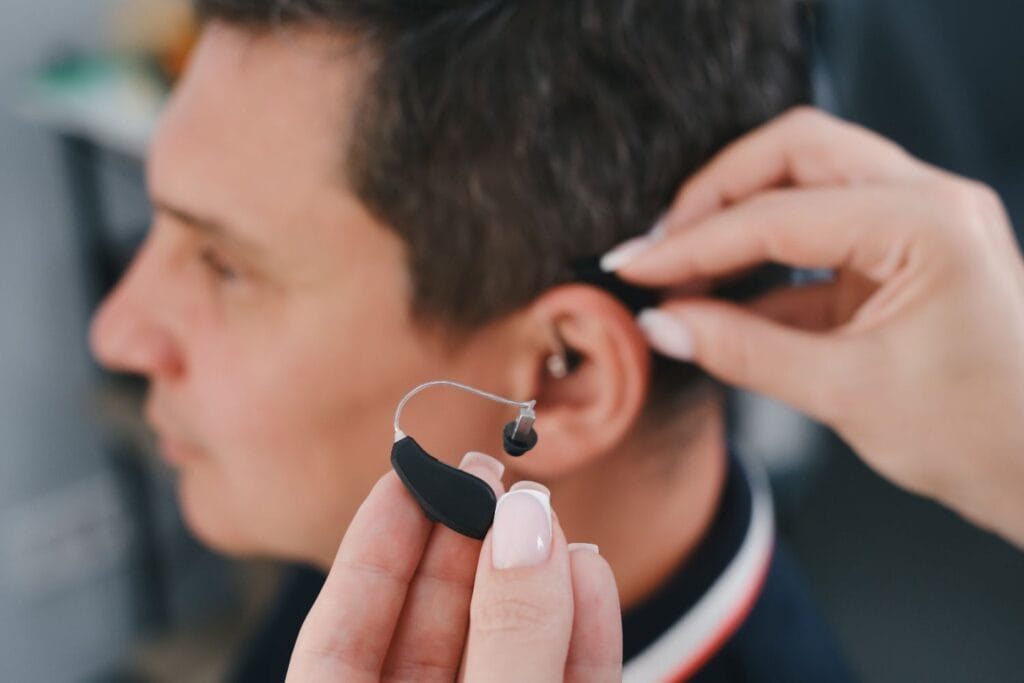
Winter can be especially difficult for those who wear hearing aids. Even while contemporary hearing aids are made to last, they are still fragile technological equipment, and cold weather makes it more difficult for them to function.
- Condensation and Moisture Build-Up – Condensation is one of the main winter problems; moisture builds up inside hearing aid components as cold outdoor air moves into warm, heated indoor environments. This dampness can eventually have an impact on receivers, microphones, and sound quality. During the winter, many users observe sporadic sound, distortion, or brief cutouts; all are typical indicators of moisture exposure.
- Reduced Battery Life – The chemical reactions in hearing aid batteries are slowed down by cold temperatures. Because of this, even if consumption hasn’t increased, batteries frequently deplete more quickly in the cold. This might be annoying, particularly if your hearing aids suddenly cease functioning during the day.
- Comfort and Fit Changes – Domes and tubing may become somewhat stiffer in colder climates. This could make wearing hats or scarves more uncomfortable or make hearing aids feel less secure.
How Hear4U Supports Hearing Aid Users
At Hear4U, winter is one of the busiest times for hearing aid care, and for good reason. We regularly help clients with:
- Moisture checks and professional drying
- Tubing and dome replacements
- Battery advice and winter stock-ups
- Minor adjustments to improve comfort and sound clarity
With the right support, hearing aids can continue working reliably throughout winter.
How to Protect Your Ears in Cold Weather
Preventing winter hearing problems doesn’t require drastic changes; it’s just a little extra care and awareness.
- Keep Your Ears Warm – Cold wind directly irritates the ear canal and outer ear. Wearing a hat, ear warmers, or a lined headband helps maintain circulation and protects sensitive structures.
- Manage Moisture Carefully – When you are showering or washing your hair, make sure you gently dry the outer ear with a towel. Avoid inserting anything into the ear canal, as winter skin is more prone to irritation.
- Avoid Overcleaning – Having dry, itchy ears is very common in winter, but many people respond by cleaning more frequently, with cotton buds, which is risky and can push the wax deeper and irritate the already sensitive skin.
- Support Hearing Aid Care – Using a drying box or moisture-absorbing case overnight helps protect hearing aids from condensation damage. Regularly replacing domes and wax filters also keeps the sound clear.
These small steps go a long way toward reducing winter-related ear discomfort and hearing changes for those with hearing issues, as well as for those who do not.
When Winter Hearing Problems Need Professional Attention
Not all winter hearing problems resolve on their own. Some symptoms should always be checked by a professional, regardless of the season. You should seek support if you experience:
- Sudden or noticeable hearing loss
- Ongoing ear pain or discomfort
- Ringing or buzzing that worsens
- Fluid or discharge from the ear
- Dizziness or balance issues
- Hearing changes lasting longer than two to three weeks
Prompt assessment helps identify whether symptoms are temporary, infection-related, or linked to underlying hearing loss. Early care often shortens recovery time and prevents complications. At Hear4U, we always encourage clients to trust how their ears feel. If something doesn’t seem right, it’s worth checking.
The Emotional Impact of Winter on Hearing and Well-being
Mental health is already strained throughout the winter. Hearing loss might subtly increase the emotional burden caused by shorter days, less daylight, and less social connections. Frustration, isolation, and a lack of confidence might result from having trouble hearing conversations, missing portions of discussions, or feeling uncertain in social situations. Many people tell us that because hearing is harder than usual in the winter, they completely avoid social interactions.
Emotional well-being and hearing health are tightly related. Resolving winter hearing issues involves more than just improving sound quality; it also involves maintaining one’s independence, connection, and self-assurance during the chilly months.

How Hear4U Can Support You This Winter
At Hear4U, winter care goes beyond appointments. We focus on making sure clients feel supported, informed, and comfortable at every stage of their appointments. Our services include:
- Free hearing tests to assess changes in hearing.
- Professional earwax removal is especially helpful in winter.
- Hearing aid checks, repairs, and adjustments.
- Ongoing aftercare and advice, tailored to seasonal needs.
Our friendly expert teams across the UK take the time to explain what is happening, answer all your questions, and offer solutions that fit your everyday life, all of this without any pressure.
Although hearing issues throughout the winter are normal, you don’t have to accept them. You can take preventative measures, safeguard your hearing, and prevent needless discomfort by being aware of how cold weather affects your ears. Winter is the ideal season to assess your ear health, regardless of whether you are treating pre-existing hearing loss or have noticed small changes. Your hearing may remain clear, comfortable, and dependable throughout the season with the proper maintenance and assistance. Our staff at Hear4U is always available to assist you if you have any questions regarding any changes.