

You are in a cafe with friends, someone says your name, and you catch only half of it. You smile anyway, nod along, laugh when everyone else does. Later, you realise you did not really follow the story at all, you just filled in the gaps. Or let’s say you are at home and the television volume creeps up a little more each month. You blame the speakers, the background noise, and the way people “mumble these days”.
Most people don’t wake up one morning with obvious hearing problems; hearing changes tend to happen slowly, almost politely. So politely, in fact, you will adjust without even noticing that you are adjusting. That is why hearing loss symptoms are often subtle at first. They don’t shout, they don’t whisper; it is a missed word here or a repeated question there. A slight sense of effort when conversations overlap, nothing dramatic or urgent, just different.
And here is the important part: noticing early signs of hearing loss is not about ageing, it is not about weakness; it certainly isn’t about something being “wrong” with you. It’s simply about awareness. Because when you recognise hearing loss symptoms early, you stay in control. You stay confident, you protect your social life, your work life, your relationships. It is not about decline, it’s about staying connected to the world around you without strain.
At Hear4U, we see it every day. People who thought it was “just background noise” or “just getting older” realise it was something small they could have checked sooner. And often, it’s a simple fix: sometimes it is earwax, sometimes mild hearing changes. But ignoring it? That’s when it becomes harder. So if something has felt slightly off lately, even if you can’t quite put your finger on it, it might be worth reading on our blog.
Key Takeaways:
What Are Hearing Loss Symptoms?
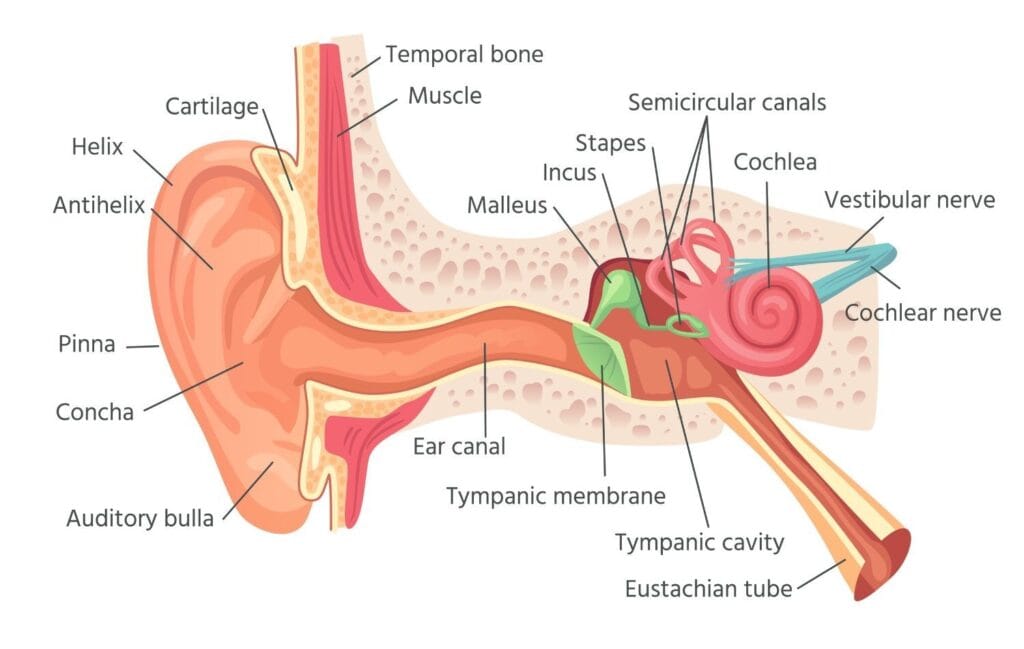
Before we talk about the signs, it helps to understand, very simply, how hearing actually works. As you must have heard the sound travels into the ear as tiny vibrations. Those vibrations move through the ear canal, then pass the eardrum, travel through three small bones in the middle ear, and then reach the inner ear, where they are converted into electrical signals. The brain then interprets those signals as speech, music, laughter, traffic, and birdsong. It all happens in seconds, and you don’t think about it; it just works.
But when something along that pathway changes, the sound reaching the brain becomes less clear. Sometimes it is softer, sometimes it is distorted. Sometimes certain pitches disappear first, particularly high-pitched sounds like children’s voices or consonants such as “s”, “f” and “th”. That is when hearing loss symptoms begin to appear. Now, not all hearing difficulties are permanent. This is important: a blocked feeling in the ear could be earwax; a sudden dullness might be an infection or fluid build-up. These are usually temporary and treatable. In many cases, a simple ear examination or safe earwax removal resolves the issue quickly.
Progressive hearing loss differs, as it tends to develop gradually over time, often due to age-related changes, long-term noise exposure, or other health factors. It doesn’t usually feel dramatic; it feels like you are “coping”, just with a little more effort than before. And that’s where many people pause for years. They adjust, lean in more, avoid busy restaurants, rely on subtitles, and tell themselves it’s nothing serious. Early hearing loss symptoms can be easy to normalise, especially because they don’t cause pain. There’s no alarm bell, just small shifts that quietly settle into everyday life.
The difficulty is that the longer hearing changes are left unaddressed, the more the brain has to work to fill in the missing sounds. Over time, that effort can become tiring, mentally and socially. Understanding the difference between something temporary and something progressive isn’t about jumping to conclusions. It’s about knowing when a simple check could give you clarity and, sometimes, reassurance is exactly what people need.
10 Early Hearing Loss Symptoms You Shouldn’t Ignore
Hearing loss rarely arrives loudly; it usually slips in quietly, adjusting your normal without you fully realising. Below are ten early hearing loss symptoms we commonly see, not dramatic warning signs, but subtle changes that deserve attention.
1. Frequently Asking People to Repeat Themselves
One of the earliest hearing loss symptoms isn’t about things sounding quiet; it’s about them sounding unclear. You may hear someone speaking, but certain words seem blurred or incomplete. Consonants such as “s”, “f”, and “th” often become harder to distinguish first, particularly in age-related hearing changes. According to the NHS, gradual hearing loss often affects higher frequencies initially, which is why speech can feel muffled even when the volume is adequate. If you find yourself asking others to repeat themselves more often, especially in otherwise quiet settings, it may be a clarity issue rather than a volume issue.
2. Turning the Television Up Higher Than Others Prefer
Disagreements over television volume are surprisingly common indicators. If others regularly comment that the TV is “too loud”, but to you it sounds normal, it’s worth noticing. What often happens is that people increase volume to compensate for reduced speech clarity, especially in dramas or news programmes where dialogues matter most. Research highlighted by RNID suggests that many individuals live with mild hearing loss for years before seeking support, often normalising small adjustments like increasing device volume.
3. Struggling to Hear in Background Noise
Difficulty following conversations in busy environments is one of the most reported early hearing loss symptoms. Restaurants, family gatherings, pubs, and anywhere with competing sounds can suddenly feel overwhelming. The ears may still detect sound, but separating speech from background noise becomes more difficult. This is linked to how the brain processes auditory signals; when clarity drops, cognitive effort increases. The NHS notes that trouble hearing in noisy environments is a common early indicator of age-related hearing loss (presbycusis).
4. Difficulty Hearing High-Pitched Sounds
High-frequency sounds are typically the first to be affected in a gradual hearing decline. You may stop noticing birdsong, find children’s voices softer than expected, or miss subtle sounds like microwave alerts or phone notifications. Because these sounds aren’t always central to daily communication, this hearing loss symptom often goes unnoticed for quite some time. It isn’t that the world has gone quieter; it’s that certain pitches are no longer being picked up as clearly as before.
5. Feeling Tired After Social Situations
Listening fatigue is one of the most overlooked hearing loss symptoms. When your brain works harder to fill in missing pieces of speech, it consumes more mental energy. Over time, that extra effort becomes draining. You might leave social events feeling unusually tired or irritable without understanding why. Studies discussed by RNID explain that untreated hearing difficulties can increase cognitive load, meaning the brain is constantly compensating. That effort isn’t visible, but it’s very real.
6. Avoiding Phone Calls
Many people with early hearing loss symptoms begin preferring text messages over calls. Phone conversations remove visual cues like lip movement and facial expressions, which help us interpret speech. Without those cues, distorted sounds become harder to decode. If you find yourself anxious about missing information during calls or frequently misunderstanding what’s said, it may reflect subtle hearing clarity changes rather than distraction.
7. Ringing or Buzzing in the Ears (Tinnitus)
Tinnitus is often described as ringing, buzzing, or humming in the ears; it doesn’t always indicate hearing loss, but it is frequently associated with hearing changes. The NHS explains that tinnitus can accompany age-related or noise-induced hearing damage. If tinnitus appears alongside other hearing loss symptoms, it’s sensible to have your hearing assessed. Sometimes, reassurance alone reduces the worry people carry about it.
8. Misunderstanding Words
When certain frequencies drop out, the brain tries to compensate by filling in gaps. Most of the time, it does this remarkably well. Occasionally, though, it guesses incorrectly, like “Chair” becomes “share” and “Fifteen” becomes “fifty.” Frequent misunderstandings, especially in otherwise normal conversations, can signal that clarity, not volume, is changing. This can feel embarrassing, which is why many people laugh it off rather than address it.
9. Withdrawing from Conversations
Some hearing loss symptoms show up emotionally before they show up physically. You might contribute less in group settings, choose quieter seats at gatherings, or avoid environments where you anticipate difficulty. Over time, this can affect confidence and social connections. RNID highlights the link between untreated hearing loss and social isolation, not because people want to withdraw, but because communication becomes tiring.
10. Others Noticing Before You Do
Often, it’s family members who recognise hearing loss symptoms first. A partner may point out that you didn’t respond, and the children may comment that they have repeated themselves several times. It can feel frustrating to hear this, but sometimes an outside perspective brings awareness that we haven’t fully accepted ourselves. Hearing changes are rarely sudden; they build gradually, and external observations can be valuable.
If even a few of these feel familiar, it doesn’t automatically mean you have significant hearing loss. But early hearing loss symptoms are easier to assess and manage when addressed sooner rather than later. A simple hearing check can provide clarity, reassurance, or practical next steps.
Why Early Hearing Loss Symptoms Matter
It is easy to think mild hearing changes are just an inconvenience. Something you work around or you will deal with “later”. But early hearing loss symptoms don’t only affect your ears, they affect how you move through the world.
Mental Wellbeing
When hearing becomes harder work, the brain has to compensate. It fills in missing words, predicts what might have been said, and stays on constant alert in conversations. Over time, that extra effort can feel draining. The NHS explains that untreated hearing loss can affect mood and overall wellbeing, particularly when it leads to social withdrawal. It is not that hearing loss directly causes anxiety or low mood, but when communication becomes stressful, people naturally begin to avoid it. And avoidance quietly chips away at connection.
There is also growing research suggesting that untreated hearing loss increases cognitive load, meaning the brain works harder to process sound. A widely cited study from Johns Hopkins University found associations between untreated hearing loss and increased cognitive strain over time. It doesn’t mean hearing loss guarantees cognitive decline. It simply highlights why early attention matters.
Confidence
Confidence often dips before people realise why. You might second-guess what you heard or worry about responding incorrectly, laugh along even when you didn’t fully catch the joke. That constant uncertainty builds up quietly. Early hearing loss symptoms can make capable, articulate people feel unsure in conversations. And that shift in confidence can be subtle but significant.
Relationships
Communication is at the heart of relationships: partners, children, friends, colleagues. When words are missed or misunderstood, frustration can build on both sides. A partner may feel ignored and you may feel criticised. In reality, it’s often just a hearing clarity issue. The RNID notes that untreated hearing loss can impact close relationships, particularly when it remains unaddressed for years. Small misunderstandings repeated often enough can create distance, but once recognised, they are usually very manageable.
Workplace Performance
At work, clarity matters. Meetings, phone calls, and instructions across a busy office floor; these situations demand quick processing. If hearing loss symptoms are present, you may find yourself concentrating harder than colleagues just to keep up. That extra effort can lead to fatigue by mid-afternoon. In some cases, people avoid contributing in meetings because they’re unsure they heard everything correctly. This isn’t about ability, it’s about access. And when hearing is supported properly, performance and confidence often return quickly.
The important thing to say here is this: early hearing loss symptoms are not a crisis; they are a signal. A signal that something has shifted slightly, and that checking it sooner rather than later can protect your wellbeing, your relationships, and your confidence long term. Most of the time, the solution is simpler than people expect. Sometimes it’s earwax. Sometimes it’s a mild age-related change; either way, awareness gives you options and options give you control.

When Should You Get Your Hearing Checked?
A lot of people wait far longer than they need to. Not because they are ignoring it on purpose, but because they’re unsure what counts as “serious enough”. The truth is, you don’t need to wait until things feel severe. If something feels different, that’s reason enough to check. You should consider a hearing assessment if:
- Hearing loss symptoms have lasted more than a few weeks.
If conversations are consistently harder to follow, the television volume keeps creeping up, or you are regularly asking people to repeat themselves, it’s worth investigating. Gradual changes are easy to normalise, but persistence is a sign to act. - You notice sudden changes in your hearing.
A sudden drop in hearing, muffled sound in one or both ears, or a rapid shift in clarity should never be ignored. The NHS advises seeking medical attention promptly for sudden hearing loss, as early treatment can be important. - You struggle more in one ear than the other.
One-sided hearing difficulty can feel subtle at first perhaps you turn your head slightly in conversations or favour one side during phone calls. But an imbalance between ears is something that should always be assessed properly. - You’re experiencing tinnitus.
Ringing, buzzing, humming or hissing sounds, especially if persistent, are worth checking, particularly if they appear alongside other hearing loss symptoms. Even when tinnitus isn’t linked to significant hearing loss, reassurance and advice can make a big difference.
Getting your hearing tested doesn’t mean committing to anything. It simply gives you clarity. At Hear4U, our hearing checks are straightforward, friendly, and pressure-free. Many people walk in worried and walk out relieved. Sometimes it’s earwax, sometimes it’s mild hearing changes, and sometimes it’s simply reassurance that everything is fine. If you have recognised yourself in any of the signs we’ve discussed, booking a free hearing test could be the simplest step you take this year. And it might just make everyday conversations feel easy again.
The Good News - Hearing Support Has Changed
If the idea of hearing aids still makes you picture large, whistling devices from years ago, you are not alone. A lot of people delay getting their hearing checked because they are imagining technology from decades ago and honestly, that image just isn’t accurate anymore. Modern hearing support has changed, quietly, but also significantly.
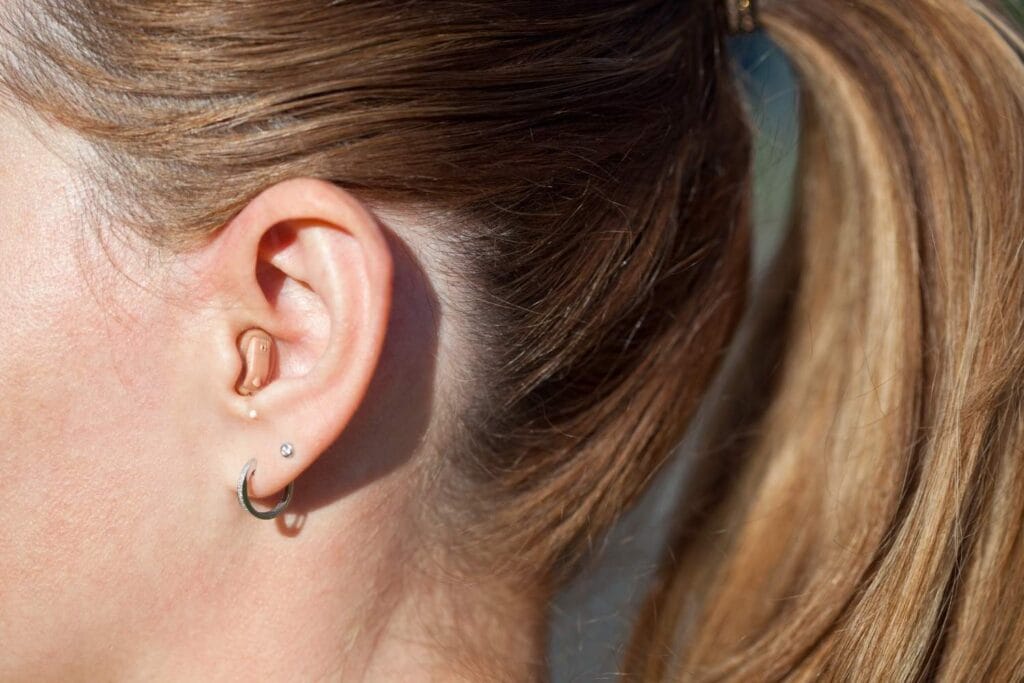
Today’s hearing aids are small, discreet, and incredibly intelligent. Many sit comfortably behind the ear or even within it, barely visible unless someone is looking closely. They automatically adjust to different environments, whether you are in a quiet living room or a busy restaurant. Some connect directly to smartphones and televisions, streaming sound clearly without extra effort. The technology has moved forward massively. However, here is something equally important: not every hearing concern results in hearing aids.
Many hearing difficulties are caused by treatable issues, particularly earwax build-up. It’s far more common than people realise. A simple ear examination can quickly determine whether the problem is temporary and easily resolved. Sometimes what feels like significant hearing loss symptoms turn out to be something straightforward and manageable. And even when mild or gradual hearing loss is identified, early support tends to feel empowering rather than overwhelming. People often say the same thing after addressing it: “I wish I’d done this sooner.”
There’s reassurance in clarity. At Hear4U, we approach hearing care as a partnership. No pressure. No rushed decisions. Just honest advice based on what you actually need. Sometimes that’s wax removal. Sometimes it’s monitoring changes. Sometimes it’s modern hearing technology tailored to your lifestyle. Whatever the outcome, the goal is the same: helping you stay connected to conversations, to confidence, and to the people around you. Because hearing support today isn’t about limitation. It’s about living fully, without strain.
Don’t Ignore What Your Ears Are Telling You
Our ears rarely shout for attention. They give us hints, small changes, subtle shifts, a little more effort here and a missed word there. And it is easy to brush those things aside. Life is busy; we adapt, we manage, we tell ourselves it is nothing serious. But hearing loss symptoms are often early signals, not of decline, but of change. And change is something we can respond to.
The sooner you understand what is happening, the easier it is to protect your confidence, your relationships, and your everyday comfort. A simple check can provide reassurance and rule things out. Or it can give you options before small issues become bigger frustrations. At Hear4U, we believe hearing well means living well. We are part of the community we serve. You will see familiar faces in our clinics and have time to ask questions. There is no pressure and no obligation, just honest advice and support tailored to you.
If you have recognised even a few of the hearing loss symptoms we have talked about, why not take that next small step? Book a free hearing check with Hear4U and give yourself clarity. Sometimes peace of mind is all you need, and sometimes, it is the start of hearing the world properly again.
FAQs
Are hearing loss symptoms reversible?
It depends on the cause. Some hearing loss symptoms are linked to temporary issues such as earwax build-up, infections, or fluid in the ear, and in those cases, hearing can often return to normal once the underlying problem is treated. However, gradual or age-related hearing loss (often called presbycusis) is usually permanent. That doesn’t mean it can’t be managed. Modern hearing technology and early support can make a significant difference in clarity and comfort. The key is identifying the cause first rather than guessing. A simple assessment can quickly determine whether it’s something temporary or progressive.
At What Age Does Hearing Loss Usually Begin?
There isn’t one fixed age. Many people begin to notice subtle hearing loss symptoms in their 40s or 50s, particularly difficulty hearing in background noise. According to the NHS, age-related hearing changes become more common as we get older, especially over 60. That said, hearing loss isn’t limited to ageing. Long-term noise exposure, certain medications, health conditions, and even genetics can all play a role. That’s why paying attention to symptoms matters more than focusing on age alone.
Is Tinnitus a Sign of Hearing Loss?
Tinnitus is a ringing, buzzing, or humming sound in the ears, and it is often associated with hearing changes, but it doesn’t always mean significant hearing loss is present. The NHS notes that tinnitus can occur on its own or alongside hearing loss. If tinnitus appears together with other hearing loss symptoms, such as difficulty following conversations or needing higher volume levels, it’s sensible to have your hearing checked. Even when tinnitus isn’t linked to measurable hearing decline, reassurance and professional advice can reduce worry around it.
How Do I Know If I Need a Hearing Test?
If hearing loss symptoms are persisting for more than a few weeks, if others are commenting on your hearing, or if conversations are starting to feel like hard work, that’s usually enough reason. You don’t need severe hearing difficulty to justify a test. A hearing check simply provides clarity. It may confirm everything is fine. It may identify something simple like wax. Or it may highlight early changes that are easier to manage now than later. If you’re unsure, that uncertainty itself is often the sign. And there’s no harm in knowing.