

If you are someone who lives with tinnitus or your loved ones are experiencing it, you already know how persistent and draining it can feel. The ringing, buzzing, or humming does not switch off when you want it to. It follows you into quiet rooms, lingers when you try to sleep, and often feels louder when everything goes still. Over time, it affects focus, mood, and even simple conversations. For many people, this is where the same question comes up: Do hearing aids really improve tinnitus? Keep reading this blog to understand it in depth.
For many people, hearing aids help manage tinnitus. They do not cure it, but they reduce its impact and make it less noticeable and disruptive in daily life. While for someone who deals with constant internal noise, that shift alone makes a real difference. Tinnitus is often closely linked to hearing loss, even in its early stages. When your ears stop clearly picking up certain sounds, your brain starts to compensate by increasing its sensitivity, trying to fill the gaps. This is when tinnitus becomes more noticeable. In quiet environments with little external noise, the brain focuses even more on internal noise.
This is where hearing aids step in, not as a fix, but as a practical way to change what you hear and how your brain responds to it. Simply by amplifying everyday sounds, hearing aids restore the natural soundscape around you. Conversations feel clearer, the background sound returns, and silence no longer feels empty. As a result, your brain has less reason to focus on tinnitus. The ringing does not disappear, but it fades into the background instead of sitting at the centre of your attention.
Many people describe this as a shift rather than a solution; the sound is still there, but it no longer controls the moment. You start by noticing it less during the days. Especially when you are engaged in conversations or surrounded by normal daily sounds. Understanding how tinnitus and hearing aids work together will give you a clearer view of what to expect. It helps you move away from the idea of a cure towards something more realistic and helpful: control, relief, and better day-to-day comfort. And once you see tinnitus as something that can be managed, not ignored, the next step feels a lot more within reach.
Key Takeaways:
- What is Tinnitus and Why Does it Happen?
- Do Hearing Aids Really Improve Tinnitus?
- How Hearing Aids Help Manage Tinnitus
- Who Benefits Most from Hearing Aids for Tinnitus?
- What Features Help with Tinnitus in Modern Hearing Aids?
- Are Hearing Aids a Cure for Tinnitus?
- What to Expect When You Start Using Hearing Aids
- Why a Professional Assessment Matters
- Other Ways to Manage Tinnitus Alongside Hearing Aids
- When Should You Seek Help For Tinnitus?
- Book a Hearing Test and Take Control of Tinnitus
- FAQs
What Is Tinnitus and Why Does It Happen?
Tinnitus is the perception of sound without any external source. It is not a condition on its own but a symptom linked to how your hearing system and brain respond to sound. People experience tinnitus in different ways; it can be ringing, buzzing, hissing or whistling. The sound varies in pitch and intensity; for some, it comes and goes, while for others it stays throughout the day and becomes more noticeable in quiet moments, especially at night. In many cases, tinnitus is closely associated with hearing loss. When your hearing reduces, certain sounds stop reaching your brain as clearly as before. Your brain responds by increasing its internal sensitivity, trying to fill in the missing input, which often makes tinnitus more prominent.
Other factors, such as noise exposure, stress, earwax buildup or certain health conditions, also play a role. But the most common thread remains: Your brain reacts to reduced or altered sound input. This is where the connection between tinnitus and hearing aids becomes important, as improving sound input changes how your brain responds.
Do Hearing Aids Really Improve Tinnitus?
Hearing aids do not eliminate tinnitus; they reduce its perceived loudness in your daily life. Many patients notice that their tinnitus feels less intrusive once they start using hearing aids. This happens because hearing aids restore access to sounds you have been missing, from conversations to everyday background noise.
When your brain receives a fuller range of sound, it shifts its focus away from the internal ringing. Instead of sitting in silence where tinnitus becomes dominant, you hear a more balanced sound environment. Over time, this reduces awareness of tinnitus. You may still notice it in very quiet settings, but during most of the day, it becomes easier to ignore. For many people, this change brings a sense of relief. The sound does not control your attention in the same way, and daily activities start to feel more comfortable again.

How Hearing Aids Help Manage Tinnitus
To understand the benefit, it helps to look at how hearing aids work in everyday life, not in theory, but in moments where tinnitus feels the strongest.
- They amplify everyday sounds:
Hearing aids bring back sounds you may not even realise you have been missing. Conversations feel clearer, background noise returns, and your surroundings feel more present. This reduces the contrast between silence and tinnitus, which is when the ringing tends to feel the loudest. - They reduce the brain’s focus on tinnitus:
Your brain responds to what it hears most clearly. When external sounds increase, your brain shifts attention away from internal noise. Over time, this reduces how often you notice tinnitus and how much it affects your day. - They support natural sound processing:
Hearing loss changes how your brain processes sound. It starts to compensate in ways that make tinnitus more noticeable. Hearing aids restore a more balanced input, helping your brain process sound in a more natural way, which eases tinnitus perception. - They improve communication and reduce stress:
Struggling to hear creates constant effort; you try to follow conversations, fill in gaps, and stay focused, which leads to fatigue and frustration. Hearing aids reduce that effort, when your communication feels easier, stress level drops, and this often leads to better control over tinnitus.
Taken together, these changes do not remove tinnitus, but they change how it fits into your day. Instead of being the main thing you hear, it becomes something that sits in the background.
Who Benefits Most from Hearing Aids for Tinnitus?
Hearing aids tend to work best for people who experience both tinnitus and some level of hearing loss. Even a mild drop in hearing can change how your brain processes sound, which often makes tinnitus feel more noticeable. You are more likely to benefit if you:
- Notice difficulty hearing conversations, especially in groups.
- Struggle more in background noise, like cafés or busy places.
- Experience tinnitus more strongly in quiet environments.
- Feel your tinnitus has become more noticeable over time.
In these situations, hearing aids help restore everyday sounds, which reduces the perceived dominance of tinnitus. When you get the hearing test, it often reveals changes you might not have fully noticed yet. Once identified, the right hearing support makes a clear difference in both hearing clarity and tinnitus management. If you or your loved ones have tinnitus without hearing loss, hearing aids may not be the first option. Other approaches, such as sound therapy or tinnitus counselling, may be more suitable. This is why a proper assessment is important before making any decision.
What Features Help with Tinnitus in Modern Hearing Aids?
Modern hearing aids include built-in features that support tinnitus management in practical ways. These features are not there for complexity; they are there to make daily listening more comfortable and controlled. Some common features include:
- Sound enrichment programmes: These introduce soft, consistent background sounds, which reduce the contrast between silence and tinnitus, helping ease awareness of the ringing.
- Tinnitus masking options: Some devices include built-in sounds such as white noise or gentle nature sounds. These sit alongside your hearing and make tinnitus less noticeable, especially in quiet settings.
- Personalised programming: Your audiologist adjusts the hearing aids based on your hearing levels and how you experience tinnitus. This ensures the support feels natural and not overwhelming.
- Bluetooth connectivity: You can stream music, podcasts, or sound therapy directly into your hearing aids. This is useful during quiet moments, such as working, travelling or winding down in the evening.
Together, these features give you more control over what you hear and how you respond to tinnitus throughout the day.
Are Hearing Aids a Cure for Tinnitus?
No, hearing aids do not cure tinnitus. It matters that you understand from the start, because expectations shape how you experience the results. Hearing aids are not designed to completely remove sound; they are designed to change how you hear and how your brain responds to it. What they offer is relief and control, and many patients describe this as a shift.
What they offer is relief and control; many patients describe this as a shift. The tinnitus no longer sits at the centre of attention; it moves into the background, where it feels less intrusive and easier to ignore. You may still notice tinnitus in very quiet environments, such as at night or when you are alone. But during the day, with more sound around you, it becomes less dominant. Over time, your brain adapts, a process known as habituation. It means your brain learns to treat tinnitus as a neutral sound rather than something it needs to focus on. Hearing aids support this process by reducing the strength and consistency of perception throughout the day.
What to Expect When You Start Using Hearing Aids
The first few days feel different. You start hearing sounds you may not have noticed for a while, from subtle background noise to clearer speech. Your brain needs time to adjust to this change. For people with tinnitus, early benefits often show up sooner than expected.
- Less focus on ringing during the day
- Better clarity in conversations
- Reduced listening effort
The change does not feel dramatic overnight, but it builds steadily. As your brain receives more sound input, it spends less time focusing on tinnitus. Consistency plays a key role here, and wearing your hearing aids daily helps your brain adapt faster and more effectively. Using them only occasionally slows down this adjustment. Our audiologist will also fine-tune the settings based on your feedback. This step matters more than you expect. Small changes in amplification or sound balance often lead to noticeable improvements in comfort and tinnitus perception.
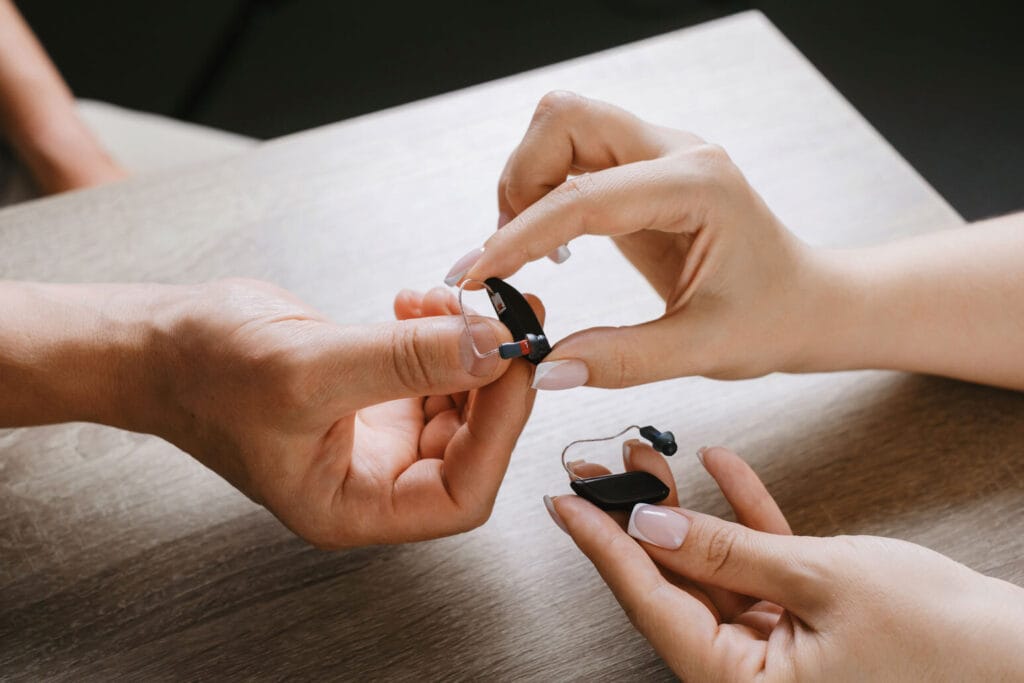
Why a Professional Assessment Matters
Choosing hearing aids without a proper assessment often leads to frustration and poor results. Tinnitus is not the same for everyone. Two people with similar symptoms may need completely different approaches depending on their hearing levels, lifestyle, and how tinnitus affects them. A professional hearing assessment helps you:
- Understand the cause of your tinnitus.
- Identify any level of hearing loss.
- Receive tailored recommendations based on your needs.
- Avoid solutions that do not address the root issue.
It also gives you a clear starting point. Instead of guessing, you move forward with accurate information and a plan that fits your situation. At Hear4U, the focus goes beyond basic hearing checks. Assessments look at both hearing and tinnitus together. The aim is not only to improve how you hear, but to reduce how much tinnitus interferes with your daily life.
Other Ways to Manage Tinnitus Alongside Hearing Aids
Hearing aids work best when you support them with small, consistent changes in your daily routine. Tinnitus responds to your environment, your stress levels, and the amount of sound your brain receives. You may also benefit from:
- Sound therapy
Keeping a gentle level of background sound, such as music, white noise, or nature sounds, reduces silence. This makes tinnitus less noticeable, especially during quiet moments. - Stress management
Stress and anxiety often make tinnitus feel louder. Simple techniques such as breathing exercises, light movement, or taking short breaks during the day help reduce this response. - Sleep support
Tinnitus often feels stronger at night. Using soft sound in the background, like a fan or calming audio, helps shift your focus away from the ringing and supports better sleep. - Lifestyle adjustments
Some people notice changes by reducing caffeine or avoiding loud environments where possible. Protecting your ears from excessive noise also prevents symptoms from worsening.
When you combine these steps with hearing aids, the overall effect feels more stable and manageable over time.
When Should You Seek Help for Tinnitus?
You should not ignore persistent tinnitus, especially when it starts affecting your daily routine. Consider booking an assessment if: tinnitus lasts more than a few weeks, it affects your sleep or concentration, you notice changes in your hearing, or it begins after exposure to loud noise.
Early support makes a difference. Many people delay getting help, thinking the sound will settle on its own or that no solution exists. In reality, the sooner you understand what is causing your tinnitus, the sooner you start managing it in a way that feels more controlled and less overwhelming.
Book a Hearing Test and Take Control of Tinnitus
Living with tinnitus does not mean you have to keep adjusting your life around it. Once you understand what is driving it, you start to see where change is possible. Hearing aids offer a practical way to reduce their impact, especially when hearing loss plays a part. They bring sound back into your day, reduce the focus on internal noise, and help your brain settle into a more balanced way of listening. The difference comes from getting the right support early, rather than trying to manage it on your own.
At Hear4U, your assessment looks at both your hearing and your tinnitus together. You receive clear guidance, honest advice, and solutions shaped around how you actually live day to day. If tinnitus has started to affect your focus, sleep, or peace of mind, this is the right time to act.
Book your hearing test today and take a step towards better hearing and more control over tinnitus.
FAQs
Q. Do hearing aids help tinnitus immediately?
Some people notice a difference within the first few days, especially in environments where there is more background sound. Hearing aids reduce the contrast between silence and tinnitus, which often makes the ringing feel less intense during the day. However, full improvement takes time. Your brain needs a few weeks to adjust to the increased sound input. As this adjustment happens, your awareness of tinnitus usually reduces gradually rather than all at once.
Q. Can hearing aids stop tinnitus completely?
Hearing aids do not completely eliminate tinnitus; however, they manage how it is perceived. By improving access to external sounds, they reduce the perceived dominance of tinnitus. Instead of sitting in the foreground, it becomes less noticeable and easier to ignore during daily activities. For many people, this change is enough to improve concentration, communication, and overall comfort.
Q. Are hearing aids worth it for tinnitus without hearing loss?
Hearing aids are most effective when tinnitus is linked with hearing loss. If your hearing test shows normal hearing levels, hearing aids may not provide the same level of benefit. In these cases, other options such as sound therapy, tinnitus retraining, or lifestyle adjustments may be recommended. This is why a proper assessment is important before choosing any solution.
Q. How long should I wear hearing aids each day for tinnitus?
Daily and consistent use gives the best results. Most people benefit from wearing their hearing aids throughout the day, from morning until evening. Regular use helps your brain adapt to a fuller sound environment, which reduces focus on tinnitus over time. Wearing them only occasionally slows down this process and limits the benefit.
Q. Is tinnitus permanent?
Tinnitus varies from person to person. For some, it reduces or fades over time, especially when the underlying cause is addressed. For others, it continues but becomes easier to manage. With the right support, including hearing aids where suitable, most people find that tinnitus becomes less intrusive and less central to their daily life. The key is early understanding and consistent management rather than ignoring the symptoms.