
If you have been thinking about booking earwax removal, safety is often the first concern. Many people worry about pain, damage to the ear, or the risk of infection. These concerns are valid, especially if you have heard mixed opinions or had a past experience with older methods.
Microsuction earwax removal offers a more controlled and precise approach. It is widely used across professional clinics because it allows the clinician to see exactly what they are doing throughout the procedure. There are no guesswork and no water involved; the focus stays on comfort, safety, and accuracy at every step. If you have searched for microsuction earwax removal, you are likely looking for a method that feels safe and reliable. Understanding how it works helps reduce uncertainty and makes the decision easier.
Key Takeaways:
- What is microsuction earwax removal?
- Is microsuction earwax removal safe?
- Why is microsuction considered safer than ear syringing?
- Does microsuction hurt?
- Who should avoid microsuction?
- What happens during a microsuction appointment?
- Are there any risks or side effects?
- Why does choosing a professional clinic matter?
- Benefits of microsuction earwax removal
- When Should You Book Earwax Removal?
- Book Safe Microsuction Earwax Removal Near You
- FAQs
What Is Microsuction Earwax Removal?
Microsuction has become the preferred method of earwax removal in many UK clinics, largely due to its safety profile and suitability for a wider range of patients. Unlike ear syringing or irrigation, microsuction does not involve water. This removes the risk of introducing moisture into the ear canal, which is a common cause of infection, particularly in individuals prone to conditions such as Otitis externa.
The absence of water also means there is no pressure applied inside the ear. Syringing relies on flushing wax out with water pressure, which in some cases leads to discomfort, dizziness, or complications if not performed carefully. Microsuction avoids this entirely by gently removing wax under direct vision. Because of this controlled approach, microsuction is suitable for more patients. It is often recommended for:
- People with perforated eardrums
- Those with a history of ear surgery
- Individuals prone to ear infections
- Hearing aid users who require regular wax management
The precision of microsuction allows clinicians to remove only the wax that needs to be cleared, without affecting the natural structure of the ear. This level of accuracy, combined with clinical visibility, makes it a safer and more reliable option compared to traditional ear syringing. Guidance from organisations such as the NHS continues to move away from routine syringing in favour of safer, more controlled techniques like microsuction, particularly in clinical environments where patient safety and comfort are prioritised.
Is Microsuction Earwax Removal Safe?
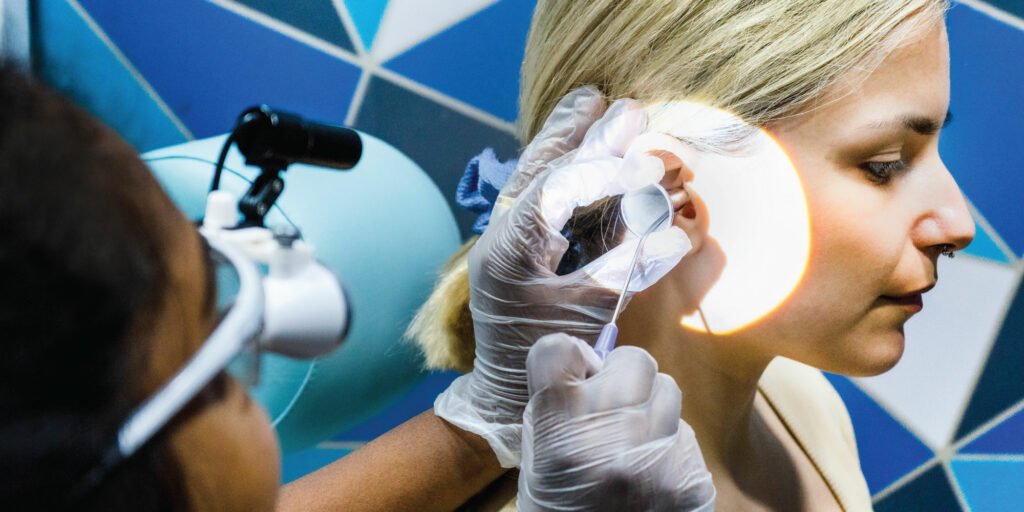
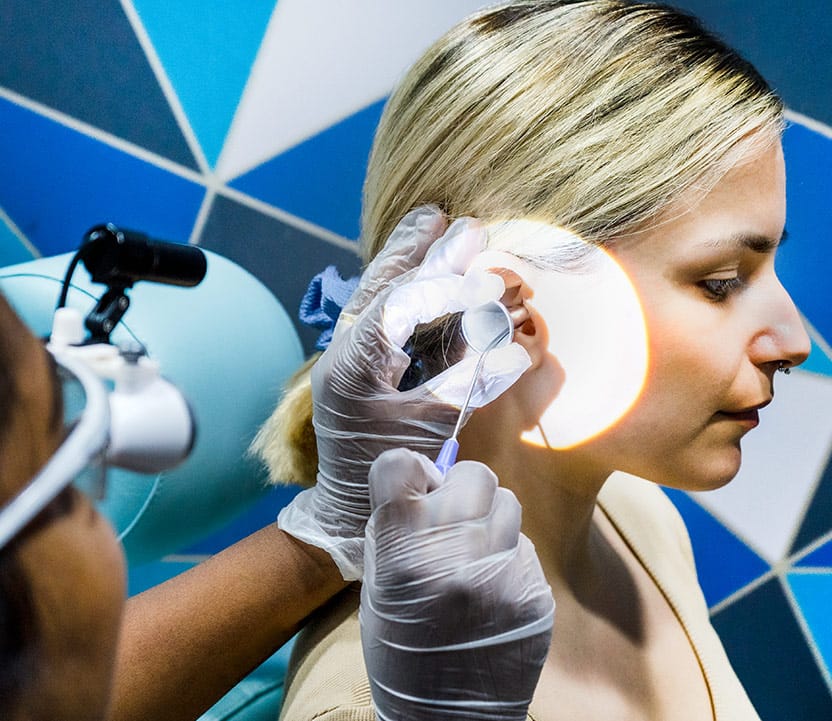
Yes, microsuction earwax removal is safe when performed by trained professionals in a clinical setting. The procedure is widely used across UK audiology clinics because it allows full control at every stage, reducing risk and improving patient comfort. The key difference lies in visibility and precision. During microsuction, the clinician uses a microscope or high-definition otoscope to clearly see inside your ear canal throughout the process. This direct view means each movement is controlled, and only the excess wax is removed without disturbing sensitive areas like the ear canal lining or eardrum.
This level of accuracy makes microsuction earwax removal a safer alternative to older methods. Instead of relying on pressure or blind techniques, the clinician works with steady, targeted movements. The process adapts to your ear, rather than forcing wax out. Guidance from organisations such as the NHS supports manual removal methods like microsuction, especially in cases where irrigation is not suitable. This reflects a shift towards safer, more controlled ear care practices across the UK.
Why Is Microsuction Considered Safer Than Ear Syringing
Microsuction earwax removal is often preferred over ear syringing due to its safer and more controlled approach. One of the main advantages is that no water is used. Ear syringing relies on flushing water into the ear canal, which introduces moisture and increases the risk of infection while microsuction avoids this completely, making it a cleaner and more controlled method. This also leads to a lower risk of conditions such as Otitis externa, which often develops when water remains trapped in the ear canal. By keeping the ear dry, microsuction reduces this risk significantly.
Microsuction is also suitable for a wider range of patients. It is commonly recommended for those who may not be suitable for syringing, including: People with a perforated eardrum, individuals with a history of ear surgery, those prone to recurring ear infections, hearing aid users who require regular ear care. Another important factor is precision. Syringing uses pressure to dislodge wax, which varies depending on the situation and can cause discomfort. Microsuction allows the clinician to remove wax gradually and accurately, with full control over the process.
This combination of visibility, control, and adaptability makes microsuction earwax removal a safer and more reliable choice for modern ear care, especially when carried out by experienced professionals in a regulated clinic setting.
Does Microsuction Hurt?
Microsuction earwax removal is not painful for most people. This is one of the main reasons many choose it over older methods. During the procedure, you may feel a slight pulling sensation as the suction device removes the wax. Some people also notice a soft suction sound, which is normal. The process is controlled and steady, and the clinician adjusts based on your comfort throughout.
In certain situations, mild discomfort can occur. This usually happens if the wax is very hard, deeply impacted, or sitting close to the eardrum. In these cases, the area may feel more sensitive. If needed, the clinician may advise using olive oil drops beforehand to soften the wax and make the process more comfortable. Any discomfort is temporary and stops as soon as the procedure ends. With an experienced clinician, microsuction earwax removal remains a safe and well-tolerated option.
Who Should Avoid Microsuction?
Microsuction earwax removal is suitable for most people, but there are some situations where extra care is needed or the procedure may be delayed. You may need to avoid or postpone microsuction if you have: a recent ear surgery or procedure, an active ear infection, severe ear pain or inflammation, a recently perforated eardrum, ongoing medical conditions affecting the ear
In these cases, a full assessment is important before any treatment begins. A trained clinician will examine your ears and decide whether microsuction is appropriate or if another approach is safer. This is why choosing a professional clinic matter; decision is never rushed, and your ear health is always assessed first.
What Happens During a Microsuction Appointment?
Initial Ear Examination
Your appointment begins with an ear examination, also known as otoscopy. The clinician uses a magnified viewing device to look inside your ear canal and assess the condition of the wax, skin, and eardrum. This step helps confirm whether microsuction earwax removal is suitable and allows the clinician to plan the safest approach for your ears.
The Microsuction Procedure
Once the examination is complete, the microsuction process begins.
- You will be seated comfortably
- The clinician will position the microscope or otoscope for a clear view
- A small suction device is gently placed at the entrance of the ear canal
- Wax is removed gradually using controlled suction
- The clinician continues until the blockage is cleared or safe to stop
The process is careful and precise. You remain aware throughout, and the clinician will check in to ensure you are comfortable.
Aftercare Advice
After the procedure, your ears are checked again to confirm the canal is clear and healthy. Most people notice an immediate improvement in hearing. Your ears may feel slightly sensitive for a short time, especially if the wax was impacted. You will be advised to:
- Keep your ears dry for a short period if needed
- Avoid inserting anything into the ear canal
- Use ear drops if recommended
If there are any underlying concerns, such as irritation or signs of infection, the clinician will guide you on the next steps. Microsuction earwax removal is quick, controlled, and designed to leave your ears feeling clear without disruption to your day.
Are There Any Risks or Side Effects?
Microsuction earwax removal is considered safe, but like any clinical procedure, there are some minor side effects to be aware of. Most people experience little to no after-effects. In some cases, you might notice:
- Temporary dizziness during or shortly after the procedure
- Mild sensitivity in the ear canal
- A slight tickling or unusual sensation as the ear adjusts
These effects are short-lived and usually settle quickly without any treatment. Serious complications are rare. When microsuction earwax removal is carried out by a trained clinician, the risk of damage to the ear canal or eardrum is low. The use of visual guidance and controlled suction plays a key role in keeping the procedure safe.
This is why professional expertise matters. A qualified audiologist understands how to adjust the technique based on your ear condition, reducing risk at every step.
Why Does Choosing a Professional Clinic Matters
Where you choose to have microsuction earwax removal makes a clear difference to safety and results. Trained audiologists follow clinical protocols and understand the structure and sensitivity of the ear. They assess your condition before starting and adapt the procedure based on what they see. This level of judgement is important for safe and effective treatment.
Professional clinics also use medical-grade equipment designed for precision and hygiene. Tools are maintained to high standards, and strict infection control measures are followed throughout the process. Choosing an unregulated provider or attempting DIY earwax removal increases the risk of complications. Without proper training or visibility inside the ear, there is a higher chance of pushing wax deeper, causing irritation, or damaging the ear canal. A professional setting ensures your ears are treated with care, accuracy, and the right clinical approach.
Benefits of Microsuction Earwax Removal
Microsuction earwax removal offers several practical benefits, which is why it is widely used in modern ear care. It is a quick and efficient procedure. Most appointments are completed within minutes, depending on the level of wax build-up. Many people notice an immediate improvement in hearing once the blockage is removed. Sounds become clearer, and the feeling of fullness in the ear is reduced.
The method is also safe for most people, including those who may not be suitable for ear syringing. Because the process is controlled and does not involve water, it suits a wider range of ear conditions. Microsuction earwax removal focuses on accuracy, comfort, and fast results, making it a reliable option for managing earwax safely.
When Should You Book Earwax Removal?
Earwax only becomes a problem when it builds up and starts to affect your hearing or comfort. Many people wait until symptoms feel obvious, but earlier action makes the process easier and more comfortable.
You should consider booking microsuction earwax removal if you notice:
- A blocked or full feeling in the ear
- Reduced or muffled hearing
- Ringing or buzzing sounds
- Discomfort or irritation in the ear
- Difficulty hearing clearly on calls or in conversations
In some cases, these signs overlap with hearing loss. If your symptoms continue even after wax removal, a hearing test helps give a clearer picture of your hearing health and what to do next. Taking action early helps avoid further build-up and keeps your hearing clear and comfortable.
Book Safe Microsuction Earwax Removal Near You
If you are looking for safe, professional microsuction earwax removal, Hear4U clinics offer a trusted and comfortable environment for your care. Our experienced audiologists carry out every procedure using clinical-grade equipment, with a focus on precision, hygiene, and patient comfort. Each appointment starts with a full ear assessment, so you receive the right care for your ears.
Whether you are experiencing symptoms or want peace of mind, booking an appointment is simple. You receive clear guidance, honest advice, and no pressure. Find a Hear4U clinic near you and take the first step towards clearer hearing with safe microsuction earwax removal.
FAQs
Q. How long does microsuction take?
Microsuction earwax removal is quick and efficient. Most appointments take between 15 to 30 minutes, depending on how much wax is present and whether one or both ears need treatment. In cases of heavy build-up, a follow-up appointment may be advised to ensure safe and complete removal.
Q. Is microsuction better than ear drops alone?
Ear drops help soften earwax, but they do not always remove it completely. Microsuction earwax removal physically clears the blockage under direct visual guidance, which provides immediate results. In many cases, ear drops are used before the appointment to make the process smoother and more comfortable, but they are not always enough on their own.
Q. Can microsuction damage your ears?
Microsuction earwax removal is safe when performed by a trained professional. The procedure is carried out under direct visual control, which allows the clinician to work with precision and avoid sensitive areas of the ear. The risk of damage is low in a clinical setting, especially when compared to unregulated or DIY ear cleaning methods.
Q. How often should earwax be removed?
There is no fixed schedule for earwax removal. It depends on how your ears produce wax. Some people may never need professional removal, while others, especially hearing aid users, may need it every 6 to 12 months. If you notice symptoms such as blocked ears or reduced hearing, it is a good time to book microsuction earwax removal.
Q. Do I need to use olive oil before microsuction?
In many cases, using olive oil drops for a few days before microsuction earwax removal is recommended. This helps soften the wax and makes the procedure quicker and more comfortable. However, it is not always required. Your clinician will advise you based on your specific condition when you book your appointment.