
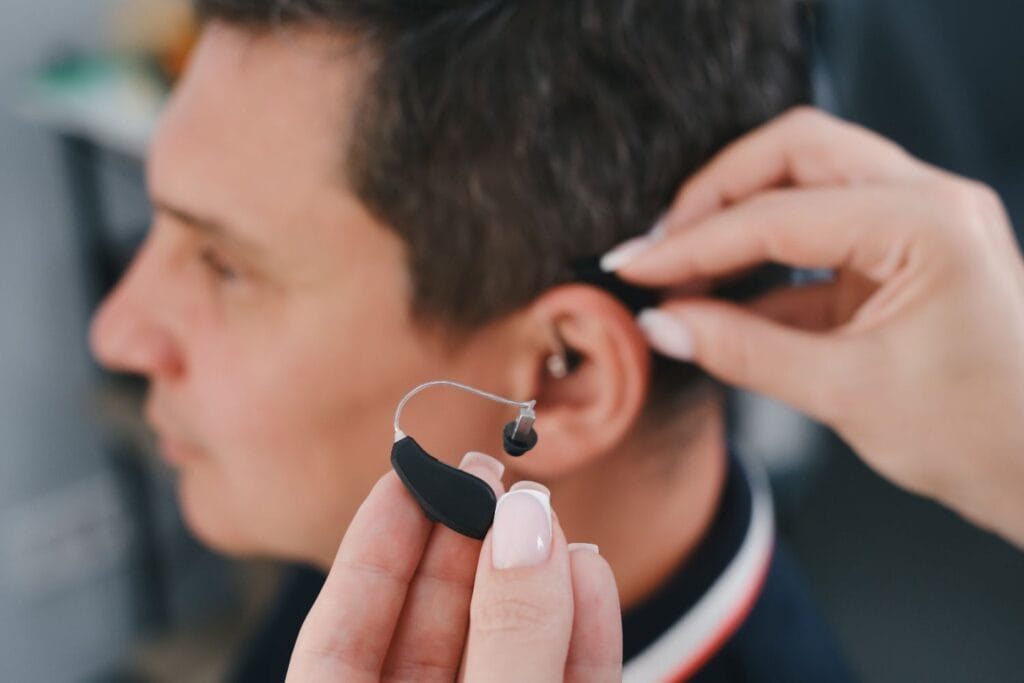
Choosing a hearing aid is already a big decision, but one detail that often gets underestimated is how that hearing aid is powered. Rechargeable or disposable batteries might sound like a small technical choice, yet it plays a surprisingly large role in day-to-day comfort, convenience, and confidence.
At Hear4U, we often meet people who assume one option must be “better” than the other. The truth is, both rechargeable and disposable hearing aids have their strengths, and the right choice depends on your lifestyle, preferences, and expectations from your hearing care. In this blog we will break it all down clearly, so you can make a decision that genuinely fits your life.
Understanding How Hearing Aids Are Powered
Starting with knowing that all hearing aids need a steady power supply because they are not just ‘amplifiers’ anymore, they are tiny computers that are constantly working in the background. They are picking sounds through microphones, filtering it, reducing noise, prioritising speech, and (in many models) keeping a live wireless connection ready for things like Bluetooth streaming, phone calls, and TV audio. That constant processing is why the type of battery matters more than people expect.
In the UK, most hearing aids still fall into power categories:
1. Rechargeable hearing aids (built-in lithium-ion battery)
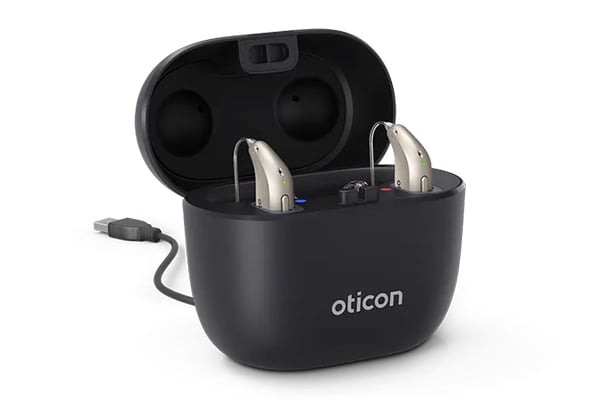
The rechargeable hearing aids models have an integrated lithium-ion battery sealed inside the hearing aid. You don’t swap batteries, you charge the device, here you charge the device over night by using a desktop charger or charging case. In real life, this tends to suit people who want a simple routine: charge, wear, repeat, and you are not storing spare batteries or fiddling with battery doors. It is also important to mention daily battery life, since many people worry about this. Most modern lithium-ion hearing aids are made to last a full day, even streaming. Manufacturers say you can expect a full day of hearing and streaming, by heavy use or certain settings can affect this.
2. Disposable battery hearing aids (replaceable zinc-air batteries)
The disposable hearing aid batteries are typically zinc-air button batteries. They are small (because hearing aids are small), and work in slight unusual way: they use oxygen from the air to activate and produce power. That’s why they come with a little tab/sticker, once it is removed, air enters the battery and it “switches on”. These types of battery are common in hearing aids and other devices in the UK. Many long-term users like them because they are quick to replace. They are also handy for travel since you can carry spares and swap them quickly if needed. The NHS warns that these small batteries must be kept away from children and pets because they can be dangerous if swallowed.
What Are Rechargeable Hearing Aids?
Rechargeable hearing aids come with a built-in lithium-ion battery, similar to what you would find in a smartphone or wireless headphones. Instead of replacing batteries, you merely place your hearing aids in a charging dock, usually overnight. Most modern rechargeable hearing aids provide a full day of use on a single charge, even with streaming, phone calls, and active listening environments.
Why Rechargeable Hearing Aids Are Becoming So Popular
Rechargeable hearing aids have grown rapidly in popularity over recent years, and for good reason. They offer:
- Everyday convenience, where you don’t have to handle tiny batteries.
- Ease of use, especially helpful for people with reduced dexterity or vision.
- Consistency, with one full charge, you get one full day.
- Cleaner and more modern experience in day-to-day life.
For many users, charging hearing aids becomes as routine as charging a phone, making it simple and predictable.
What are Disposable Battery Hearing Aids?
Disposable hearing aids use zinc-air batteries that are replaced once they run out. Battery life depends on size, hearing aid power level, and usage, but most batteries last anywhere from 3 to 10 days. Common battery size include:
- Size 10
- Size 312
- Size 13
- Size 675
Each size corresponds to different hearing aid styles and power requirements.
Why Some People Still Prefer Disposable Batteries
Despite the rise of rechargeable models, disposable batteries remain a strong choice for many users. They are often preferred for following reasons:
- Batteries can be changed instantly.
- There is no reliance on charging equipment.
- Long-term users may simply prefer what they know.
- They suit people who travel frequently or unpredictably.
Disposable battery hearing aids have been trusted for over decades and continue to be a reliable option.
Rechargeable vs Disposable Hearing Aids: The Key Difference
When we compare rechargeable and disposable hearing aids, it helps to step away from the technical specifications and think about how each option fits into real, everyday life. The biggest difference often shows up in sound quality, but in routines, habits, and small moments across day-to-day life either feel effortless or slightly frustrating as time passes.
Convenience and Daily Use
Rechargeable hearing aids are designed to simplify daily life. Instead of keeping track of battery life or carrying spares, you place your hearing aids on charge at the end of the day and start the next morning with a full battery. For many users, this quickly becomes a set-and-forget routine, similar to how we charge our phones throughout the day or overnight. There is no need to interrupt your day to check whether a battery is running low.
Disposable battery hearing aids, on the other hand, require more regular attention. Batteries need replacing every few days, depending on usage and hearing aid type. Some people are perfectly comfortable with this and even prefer the familiarity, while others find it inconvenient, particularly if batteries run out at an awkward moment or while out of the house.
Battery Reliability
Disposable batteries offer a sense of immediate backup. Carrying spare batteries means that if power runs out, you can replace them on the spot and continue your day without disruption. This can be reassuring for people who travel frequently, attend long events or spend extended time away from home.
Rechargeable hearing aids rely on access to electricity, but modern charging systems have become increasingly practical. Chargers are now compact, lightweight, and often come with protective charging causes that can be used while traveling. For most users, a single overnight charge comfortably supports a full day of use, reducing the likelihood of unexpected power loss.
Maintenance and Handling
Handling is an important consideration, especially for people with reduced dexterity, arthritis, tremors or visual difficulties. Rechargeable hearing aids significantly reduce the need for manipulating small components. There are no battery doors to open, and no tiny batteries to insert, which can make daily use feel far more manageable and less stressful.
Disposable battery hearing aids involve more frequent handling. Batteries are small and need careful placement, and used batteries must be removed and disposed of safely. While this isn’t a problem for everyone, it can become tiring or frustrating for some users over time.
Cost Over Time
From a cost perspective, rechargeable hearing aids may come with a slightly higher upfront cost. However, they remove the ongoing expense of purchasing replacement batteries, which can add up over several years of use. For many people, this balances out the initial cost difference.
Disposable battery hearing aids are often less expensive at the outset, but regular battery purchases represent a continuing cost. Over the lifespan of hearing aid, these smaller, repeated expenses can become significant, particularly for users who require frequent battery changes.
Environmental Impact
Environmental considerations are becoming increasingly important for many hearing aid users. Rechargeable hearing aids generate less waste overall by avoiding the constant disposal of used batteries. This makes them more environmentally friendly option over time. The disposable batteries, while safe and effective must be replaced and discarded regularly. This contributes to battery waste and requires responsible disposal to minimise environmental impact. For users who are conscious of sustainability, this can be a deciding factor.
In practice, neither option is objectively better than the other. However, the right choice depends on how you live, how comfortable you are with daily routines, and what matters most to you, whether that’s convenience, flexibility, long-term cost, or environmental responsibility.
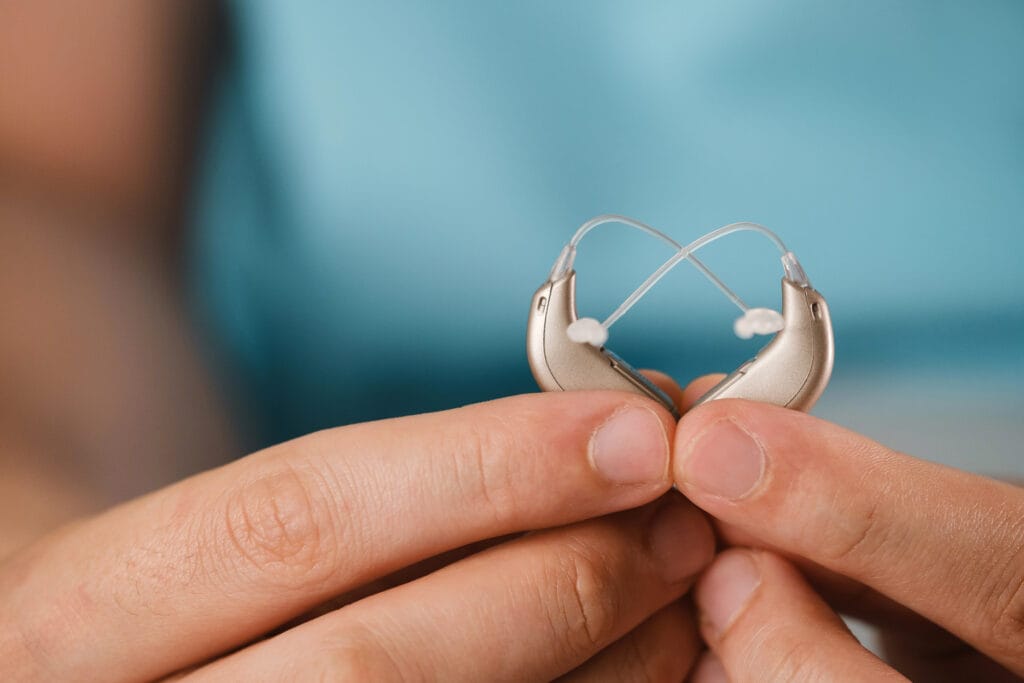
Which Hearing Aid Suits Your Lifestyle Best?
There is no universal ‘best’ option for this, only what works best for you personally in your day-to-day life.
Rechargeable Hearing Aids Maybe Ideal If You:
- Prefer simple routines.
- Want an eco-friendlier option.
- Lead a busy or active lifestyle.
- Have difficulty handling small batteries.
- Use Bluetooth streaming frequently.
Disposable Battery Hearing Aids May Suit You If You:
- Travel frequently or for long periods.
- Prefer instant battery replacement.
- Live in areas with unreliable access to power.
- Are comfortable changing batteries.
- Want flexibility without charging routines.
Looking Beyond The Price Tag
A very common concern when it comes to hearing aids or its accessory especially batteries, you will notice that rechargeable hearing aids are more expensive. While they can cost slightly more upfront, it is important to look beyond just the initial price and consider the long-term value of hearing aids. Disposable hearing aids require regular battery replacements, over the years this ongoing purchase can quietly add up. Rechargeable hearing aids remove that recurring cost, which for many people makes them most cost-effective over the lifespan of the device.
At Hear4U, we always discuss costs openly and clearly, helping you weight both the short-term investment and long-term value so you can choose with confidence, not certainty.
Performance, Safety, and Sound Quality
Modern rechargeable hearing aids are designed to deliver the same high-quality sound performance as disposable models. Battery types do not affect sound clarity, speech understanding or hearing aids technology. Lithium-ion batteries used in hearing aids are:
- Safe and medically approved.
- Designed for daily charging.
- Tested for long-term reliability.
With a proper care, both rechargeable and disposable hearing aids perform consistently and safely.
Common Myths About Hearing Aid Batteries
Even though hearing aids have been around for over so many years, there are still few misconceptions that can cause unnecessary worry among you or anyone using the hearing aids. Like the following:
“Rechargeable Hearing Aids won’t last all day”.
The most modern rechargeable hearing aids are designed to last a full waking day, even with streaming hours added to it.
“Disposable batteries are always cheaper”.
While they are cheaper in the upfront, regular battery purchase often outweigh the initial cost difference over time.
“Rechargeable hearing aids are harder to maintain”.
In reality, many users find them easier, as there are fewer parts to handle.
A Professional Perspective from Hear4U
At Hear4U, we don’t believe in pushing one option over another. Hearing care isn’t about trends or what’s newest on the market; it Is about what genuinely works for you. The right hearing aid is the one that fits comfortably into your life, not just for your ear. That is why our audiologists take time to get to know you before making any recommendations.
We look at how your days are structured, the environments you spend most of your time in, and the situations where hearing matters most, whether that’s conversations at work, family gatherings, social settings, or quieter moments at home. We also consider how comfortable you feel with technology, as well as your long-term hearing needs and expectations.
By understanding the full picture, our experts then recommend hearing aids that feel natural to use rather than something you have to constantly think about or manage. This personalised approach means you leave with a hearing solution that supports your lifestyle, builds confidence, and feels reassuringly simple, not complicated or overwhelming.
How do we support you at Hear4U? Well, choosing between rechargeable and disposable hearing aids is just one step, ongoing care matters just as much.
At Hear4U, we offer:
- Comprehensive hearing assessments.
- Honest, pressure-free advice.
- Professional fittings and fine-tuning.
- Aftercare, servicing, and long-term support.
We are here to make hearing care feel manageable, reassuring, and empowering.
Understand that there is no wrong choice, rechargeable and disposable hearing aids both offer excellent solutions. What matters most is how confidently and comfortably they fit into your everyday life.
If you are still unsure which option is right for you, a professional hearing consultation can make all the difference. With the right guidance, choosing becomes much simpler and far less overwhelming. Hear4U is here to help you hear life clearly, in everyway possible.
FAQs
Q. Are rechargeable hearing aids as reliable as disposable battery hearing aids?
Yes. Modern rechargeable hearing aids are clinically reliable and designed to last a full day on a single charge for most users. Advances in lithium-ion battery technology mean performance and sound quality are on par with disposable battery models.
Q. How long do rechargeable hearing aid batteries last before needing replacement?
Rechargeable hearing aid batteries are built to last several years with daily charging. Over time, battery capacity may gradually reduce, but this usually happens slowly and can be managed as part of routine hearing aid care and servicing.
Q. What happens if my rechargeable hearing aid runs out of power during the day?
This is uncommon with modern devices, but it can happen if charging is missed or usage is unusually heavy. Many users find portable charging cases helpful for travel or long days, while others prefer disposable batteries for instant replacement reassurance.
Q. Are disposable hearing aid batteries difficult to use?
Disposable batteries are small and require regular handling, which some people manage easily. However, those with arthritis, tremors, or visual difficulties may find rechargeable hearing aids more comfortable to use day to day.
Q. Which option is more cost-effective in the long run?
Rechargeable hearing aids often offer better long-term value because there’s no ongoing cost for replacement batteries. Disposable hearing aids may cost less initially, but battery purchases over time can add up.
Q. How do I know which option is right for me?
The best way to decide is through a professional hearing assessment and lifestyle discussion. At Hear4U, our audiologists take time to understand your routine, preferences, and hearing goals, helping you choose a solution that feels right for everyday life.