
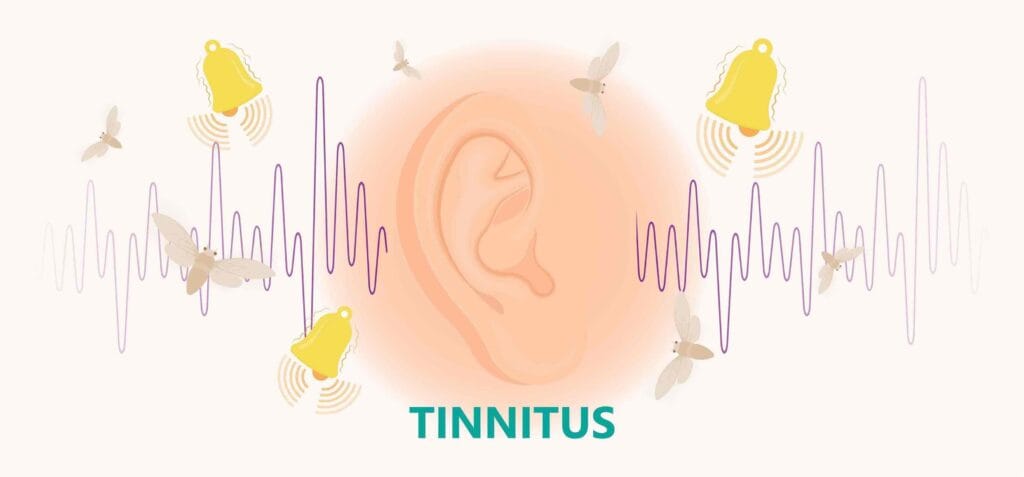
Tinnitus is more common than many people realise. For some, it’s a faint background noise they barely notice, while for others, it can feel intrusive, exhausting, and difficult to ignore, especially in quiet moments or at night.
If you’re searching for tinnitus treatment, it’s usually because the sounds have started to interfere with daily life, sleep, or concentration. The good news is that while tinnitus doesn’t always have a single cure, there are effective ways to manage it, reduce its impact, and understand what’s causing it in the first place.
At Hear4U, tinnitus treatment starts with clarity, helping you understand what you’re experiencing and guiding you towards the right support, rather than quick fixes that don’t last.
What is Tinnitus?
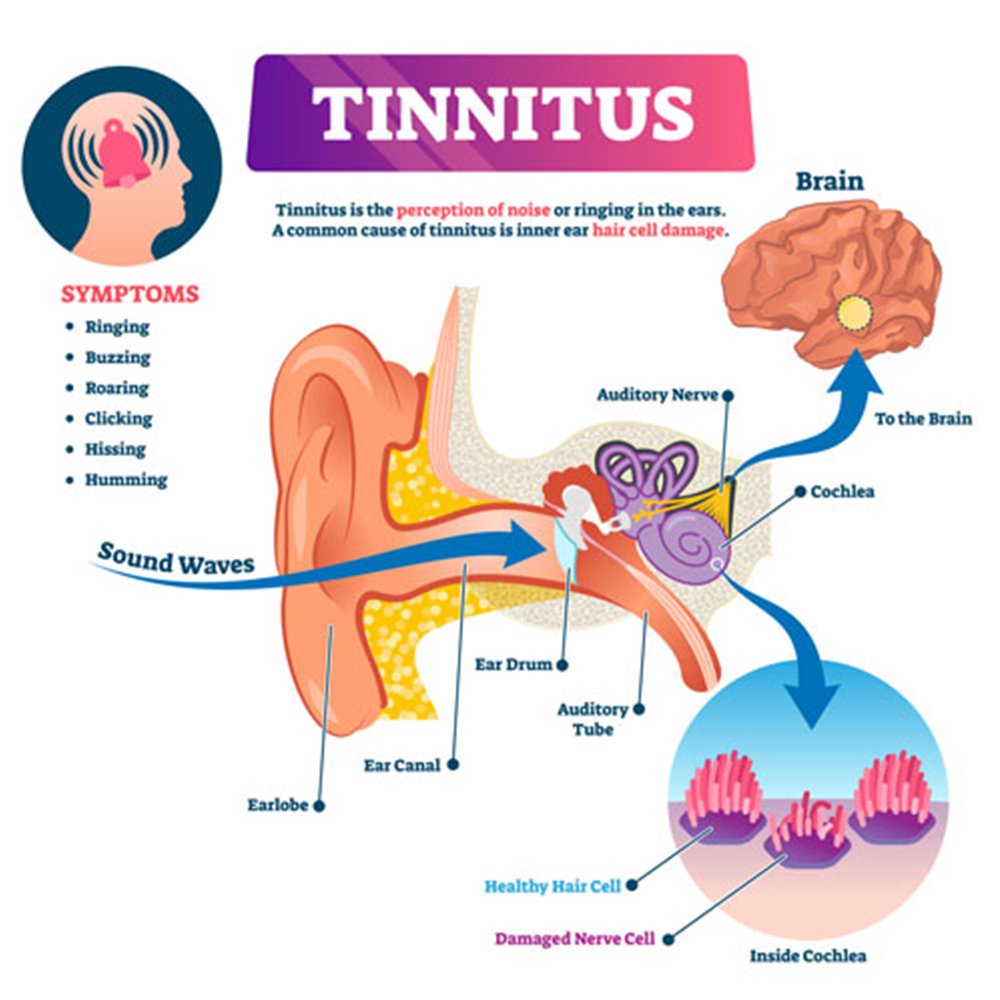
Tinnitus is an awareness of sound when there is no external noise present. In simple terms, it means hearing something that others around you cannot hear. People have experienced tinnitus in different ways, commonly ringing, buzzing, humming, whistling, hissing or pulsing sounds that may feel in time with the heartbeat. These sounds can be constant or intermittent. Sometimes they may be soft and easy to ignore, other times loud enough to disrupt focus, sleep and daily routines. Tinnitus can affect one ear, both ears and feel as though it is coming from inside the head rather than the ears themselves. The experience is highly individual, which is the reason why tinnitus treatment is never one-size-fits-all.
Importantly, tinnitus is not a disease or diagnosis on its own; it is a symptom which is usually linked to changes within the auditory system, the complex network connecting the ears to the brain. When sound signals are disrupted, reduced, or altered, the brain may respond by generating sound internally. This is why tinnitus is so often associated with hearing loss, ear conditions, or noise exposure.
For some people, tinnitus is occasional and mild, appearing only in quiet moments or during periods of stress or fatigue. For others, it can be persistent and emotionally draining, affecting concentration, sleep, mood, and overall quality of life. When tinnitus is left unexplained or unmanaged, it can become more distressing over time, even if the sound itself does not change. Understanding what tinnitus is, and what it isn’t, is the first step towards effective tinnitus treatment. When a hearing professional can identify why the sound is occurring, it allows them to recommend appropriate management options, reassurance, and ongoing support, rather than leaving individuals to cope alone or rely on misleading quick fixes.
Common Causes of Tinnitus
Tinnitus doesn’t have a single cause. In most cases, it develops as a response to changes within the hearing system or the way the brain processes sound. Identifying the underlying cause is a crucial part of tinnitus treatment, as it helps determine the most effective management approach rather than relying on guesswork.
Hearing Loss or Age-related Changes
One of the most common causes of tinnitus is hearing loss, including age-related changes in hearing. When the ears send fewer sound signals to the brain, the brain attempts to compensate for it by creating sounds internally, this results in the ringing or buzzing associated with tinnitus.
Because age-related hearing loss often develops gradually, tinnitus may be one of the earliest signs that hearing has changed, even before difficulties in everyday conversations become obvious. This is also why tinnitus often feels more noticeable in quiet environments, where there is less background sound to mask it.
Noise Exposure and Acoustic Trauma
Exposure to loud noise can damage the delicate hair cells within the inner ear, which play a vital role in hearing. This damage may occur suddenly, such as after an explosion or concert, or build up slowly over time through repeated exposure. Common sources include noisy workplaces, regular use of headphones at high volumes, live music venues, and power tools. Noise-induced tinnitus may fade once the ears recover, but for some it can be long term. Early assessment and appropriate tinnitus treatment can help prevent the symptoms from worsening.
Earwax Build-up and Blockage
When you have excessive earwax, it can block the ear canal and interfere with how sound travels to the inner ear. This change in sound input can trigger tinnitus or make existing tinnitus to be more noticeable. In case where earwax is the main contributing factor, professional earwax removal may reduce or even resolve tinnitus symptoms. It is important to avoid trying removal at home, as this push wax further in and increase irritation.
Stress, Anxiety and Fatigue
While stress does not directly cause tinnitus, it can strongly influence how intrusive it feels. When the body is under prolonged stress or fatigue, the nervous system becomes more sensitive, making internal sounds harder to ignore. Many people notice that their tinnitus fluctuates during periods of emotional strain, poor sleep, or anxiety. Managing stress levels is therefore an essential part of tinnitus treatment, alongside addressing hearing health.
Medical Condition and Medications
With certain medical conditions, it so happens that it also contributes to tinnitus, including ear infection, problems with blood circulation, jaw or neck issues, and conditions affecting the inner ear. Some medications list tinnitus as a possible side effect, particularly if you take them in high doses or for the long term. Because tinnitus can be linked to a range of health factors, professional assessment is essential. A thorough evaluation helps rule out underlying causes and ensures tinnitus treatment is safe, appropriate, and tailored to the individual.
Tinnitus Symptoms You Shouldn’t Ignore
Tinnitus does not affect everyone in the same way; for some people, it is mild background noise that comes and goes, while for others it can gradually begin to interfere with daily life, often in ways that are not immediately linked to hearing alone. Because tinnitus can develop slowly, its impact is sometimes underestimated or dismissed at first. However, some symptoms suggest that tinnitus and professional support could be beneficial. Common tinnitus-related symptoms include:
- Persistent ringing, buzzing, or humming in one or both ears, or a sound that feels as though it is coming from inside the head.
- Difficulty concentrating or focusing particularly during tasks that require sustained attention.
- Trouble sleeping, especially in quiet environments where tinnitus becomes more noticeable.
- Increased irritability, anxiety, or low mood, often caused by ongoing sound awareness and fatigue.
- Sensitivity to everyday sounds, where normal noises feel uncomfortable or overwhelming.
Tinnitus can also contribute to feelings of frustration, isolation, or exhaustion, particularly when it disrupts rest or makes communication more challenging. Over time, this emotional strain can increase how intrusive tinnitus feels, creating a cycle that is difficult to break without any support. If tinnitus stars to affect sleep, work performance, concentration, or emotional well-being it is not something that should simply be “put up with”. Seeking professional tinnitus treatment can help identify contributing factors, provide reassurances, and introduce management strategies that reduce the impact tinnitus has on day-to-day life. An early assessment and support often make tinnitus easier to manage, helping individuals regain a sense of control and improve overall quality of life.
This is often the first question you might ask when searching for tinnitus treatment, and it is an understandable one. When a sound won’t go away, it is natural to want a clear, permanent solution. At present, there is no single cure that works for everyone with tinnitus. That said, this does not mean tinnitus cannot be treated or managed effectively. Modern tinnitus treatment focuses on reducing how noticeable and disruptive the sound feels, rather than trying to cut it entirely.
Tinnitus totally depends on individual to individual, what triggers it, how it sounds and to watch extent it can affect daily life varies from person to person. Because of this, quick fixes or products claiming to “cure tinnitus instantly” are often misleading and can lead to disappointment. As we learnt that for many people, tinnitus becomes more manageable once the underlying cause is identified and addressed. This may involve treating hearing loss, improving sound input to the brain, managing stress levels, or using sound-based therapies. As time passes, the brain can learn to place less emphasis on tinnitus, making it less intrusive even if the sound itself does not disappear completely.
Effective tinnitus treatment is about control, reassurance, and long-term support. With the right approach, many people find their tinnitus fades into the background of everyday life rather than dominating it. If tinnitus is persistent or distressing, professional assessment is an important first step. Understanding what is causing the tinnitus allows hearing professionals to recommend personalised treatment options that focus on comfort, confidence, and improved quality of life.
Effective Tinnitus Treatment Options
Tinnitus treatment is not about single solution. Instead, it focuses on understanding the cause of tinnitus and using a combination of approaches to reduce its impact on daily life. With the right support, many people find their tinnitus becomes far less intrusive over time. The most effective tinnitus treatment plans are tailored to the individual, taking into account hearing health, lifestyle, and how tinnitus affects sleep, concentration, and emotional well-being.
Hearing Aids as Tinnitus Treatment
For people with hearing loss, hearing aids are one of the most effective tinnitus treatment options. By improving access to everyday sounds, hearing aids reduce the contrast between silence and tinnitus, making internal sounds less noticeable. Recent advanced hearing aids can also include tinnitus support features, such as sound enrichment or gentle background noise, which help the brain shift focus away from tinnitus. Many people report that once hearing improves, their tinnitus becomes easier to ignore and less distressing.
Sound therapy involves using external sounds to reduce awareness of tinnitus. This could include white noise, nature sounds, or soft background audio, particularly in quiet environments or at night. Sound therapy does not aim to mask the tinnitus completely, instead it helps the brain reframe tinnitus as a neutral sound, reducing emotional reactions and improving comfort. Over time, this can lead to improved sleep and reduced stress.
When you understand tinnitus, it helps to play a key role in successful treatment. Tinnitus counselling focuses on explaining why tinnitus occurs, what influences it and how the brain responds to sound. Education and reassurance can significantly reduce fear and frustration, which are known to increase tinnitus awareness. Learning coping strategies and recognising triggers empowers individuals to manage tinnitus with greater confidence.
Lifestyle and Stress Management
Stress, fatigue and poor sleep can all increase tinnitus awareness. As part of tinnitus treatment, lifestyle factors are often reviewed to help reduce overall strain on the nervous system. Simple adjustments such as improving sleep routines, managing caffeine intake, protecting hearing from loud noise, and finding effective ways to relax, can make noticeable difference over time.
Ongoing Support and Monitoring
Tinnitus treatment is rarely a one-off process; ongoing support allows treatment plans to be reviewed and adjusted as hearing needs or circumstances change. Regular follow-ups ensure that management strategies remain effective and that individuals feel supported throughout their tinnitus journey, rather than left to cope alone.

When Should You Seek Professional Tinnitus Treatment?
Tinnitus does not always require urgent treatment, particularly if it is mild or short lived. However, there are certain situations where professional assessment is strongly recommended. Early evaluation can provide reassurance, identify underlying causes, and ensure the right tinnitus treatment is put in place. You should seek professional support if you have tinnitus:
- Appears suddenly, especially if there is no obvious cause such as recent noise exposure or illness. Sudden onset of tinnitus may indicate a change in hearing or ear health that requires prompt attention.
- Affects only one ear, as one-sided tinnitus can sometimes be linked to specific conditions that benefit from further check. Assessment helps rule out underlying issues and ensures appropriate next steps.
- Occur alongside hearing loss, dizziness or pain, which may suggest an inner ear or balance-related condition. In these cases, tinnitus treatment should begin with a comprehensive hearing and health assessment rather than self-management.
In addition to these signs, tinnitus that is persistent, worsening, or emotionally distressing should not be ignored. If tinnitus is affecting sleep, concentration, work performance, overall well-being, professional tinnitus treatment can help reduce its impact and provide ongoing support. Seeking advice early often makes tinnitus easier to manage and prevents unnecessary anxiety caused by uncertainty or misinformation.
How Hear4U Supports Patients with Tinnitus
At Hear4U, tinnitus support is never about rushing to conclusions or offering generic solutions. We understand that tinnitus affects everyone differently, which is why our approach focuses on listening first, to both your symptoms and your concerns.
Tinnitus treatment at Hear4U begins with comprehensive hearing tests, designed to build a clear picture of your hearing health. Even mild or early-stage hearing changes can influence tinnitus, and identifying these is often a key part of effective management. Alongside hearing tests, we offer dedicated tinnitus assessments that explore when your tinnitus started, how it affects daily life, and what factors may be contributing to it. This allows us to understand the full context, rather than focusing on the sound alone.
Based on these findings, we create individualised tinnitus treatment and management plans. These may include hearing technology, sound therapy, practical coping strategies, or lifestyle guidance, always tailored to your needs and comfort level. Importantly, support does not end after a single appointment. Hear4U provides ongoing care and follow-up, allowing treatment to evolve as your needs change. Tinnitus is not something you should have to manage alone, and long-term support often makes a significant difference.
Living Well with Tinnitus
Living with tinnitus can feel overwhelming at first, especially when the sounds are new or unexplained. However, many people find that with the right information, reassurance, and support, tinnitus becomes far less intrusive over time. Tinnitus does not mean your hearing will continue to worsen, nor does it mean you will always be aware of the sound in the same way. For many individuals, tinnitus gradually fades into the background once it is properly understood and managed.
The long-term outlook for tinnitus is often positive when treatment focuses on reducing stress, improving hearing where needed, and building confidence in coping strategies. Early support can prevent tinnitus from becoming a source of ongoing anxiety or frustration. If tinnitus is affecting your comfort, sleep, or quality of life, seeking help sooner rather than later can make a meaningful difference. Professional tinnitus treatment offers clarity, reassurance, and practical support, helping you regain control and focus on the sounds that matter most.
Tinnitus Treatment Starts with Understanding
Tinnitus can feel unsettling, especially when the sounds appear without explanation. However, tinnitus is a symptom, not a condition in itself, and understanding its cause is the first step towards effective treatment. Rather than relying on self-diagnosis or online quick fixes, professional assessment provides clarity, reassurance, and tailored support. With the right tinnitus treatment plan, many people find their symptoms become far less intrusive and easier to manage. If tinnitus is affecting your comfort, concentration, or quality of life, booking a hearing test or tinnitus consultation can help you take control and move forward with confidence.
FAQs
Can tinnitus go away on its own?
In some cases, tinnitus can be temporary. This may happen after exposure to loud noise, during periods of illness, or when stress levels are particularly high. When the underlying trigger resolves, tinnitus may reduce or disappear. However, if tinnitus persists, becomes more noticeable, or begins to affect daily life, professional tinnitus treatment can help identify contributing factors and prevent symptoms from becoming more intrusive over time.
What is the best tinnitus treatment?
There is no single “best” tinnitus treatment that works for everyone. The most effective approach depends on the underlying cause of tinnitus, hearing health, and how symptoms affect daily life. For many people, a combination of hearing support, sound therapy, education, and lifestyle management offers the greatest relief. Personalised treatment plans are often far more effective than generic solutions.
Do hearing aids really help tinnitus?
Yes, for many people, they do. When tinnitus is linked to hearing loss, hearing aids can significantly reduce tinnitus awareness by restoring access to everyday sounds. By improving sound input to the brain, hearing aids reduce the contrast between silence and tinnitus, making internal sounds less noticeable. Many modern hearing aids also include features designed specifically to support tinnitus management.
Can earwax removal reduce tinnitus?
If tinnitus is linked to earwax impaction, professional earwax removal may help reduce symptoms. Clearing the ear canal allows sound to travel more naturally, which can ease tinnitus in some cases. It is important to avoid attempting earwax removal at home, as this can worsen blockage or irritation. A professional assessment ensures earwax is managed safely and appropriately.
Is tinnitus linked to stress?
Stress does not cause tinnitus directly, but it can strongly influence how noticeable and distressing it feels. During periods of stress or anxiety, the brain is more likely to focus on internal sounds, making tinnitus harder to ignore. Managing stress and improving sleep are often important parts of tinnitus treatment, alongside addressing hearing health.